Starling Models
1/350 Scale HMS M33

| Reviewed June 2026 by Felix Bustelo |
||||||||||||||
| HISTORY | ||||||||||||||
|
HMS
M33 is one of the last surviving British warships from
the First World War. M33 was the last of the five
small 6-inch gun monitors built in 1915, sometimes
referred to as the M29 class. These small
shallow-draft monitors were designed for operating
close to coastlines, rivers, and harbors, where they
could support land operations with heavy artillery
fire. M33 has been preserved as a museum ship in
Portsmouth. |
||||||||||||||
|
Starling Models 1/350 Scale HMS M33 Mike McCabe of Starling Models recently made the decision to focus new production primarily on 1/700 scale kits with only a small number of 1/350 scale kits in the mix. HMS M33 is one of those few 1/350 scale kits that have been thankfully released by Starling Models. The kit parts are fully 3D printed, with a relatively small photoetch fret and several lengths of brass rod for the masts and yardarms. The kit comes in a sturdy flip-top box with the hull print raft wrapped in a foam sheet and the deckhouse and smaller parts in separate plastic bags, all nestled in Styrofoam packing noodles. The packaging is so well done that only one mushroom vent broke off during shipment from Wales to Long Island, New York’ The print rafts for the smaller parts all have protective barriers on either end. |
||||||||||||||
|
|
 |
|||||||||||||
| HULL | ||||||||||||||
|
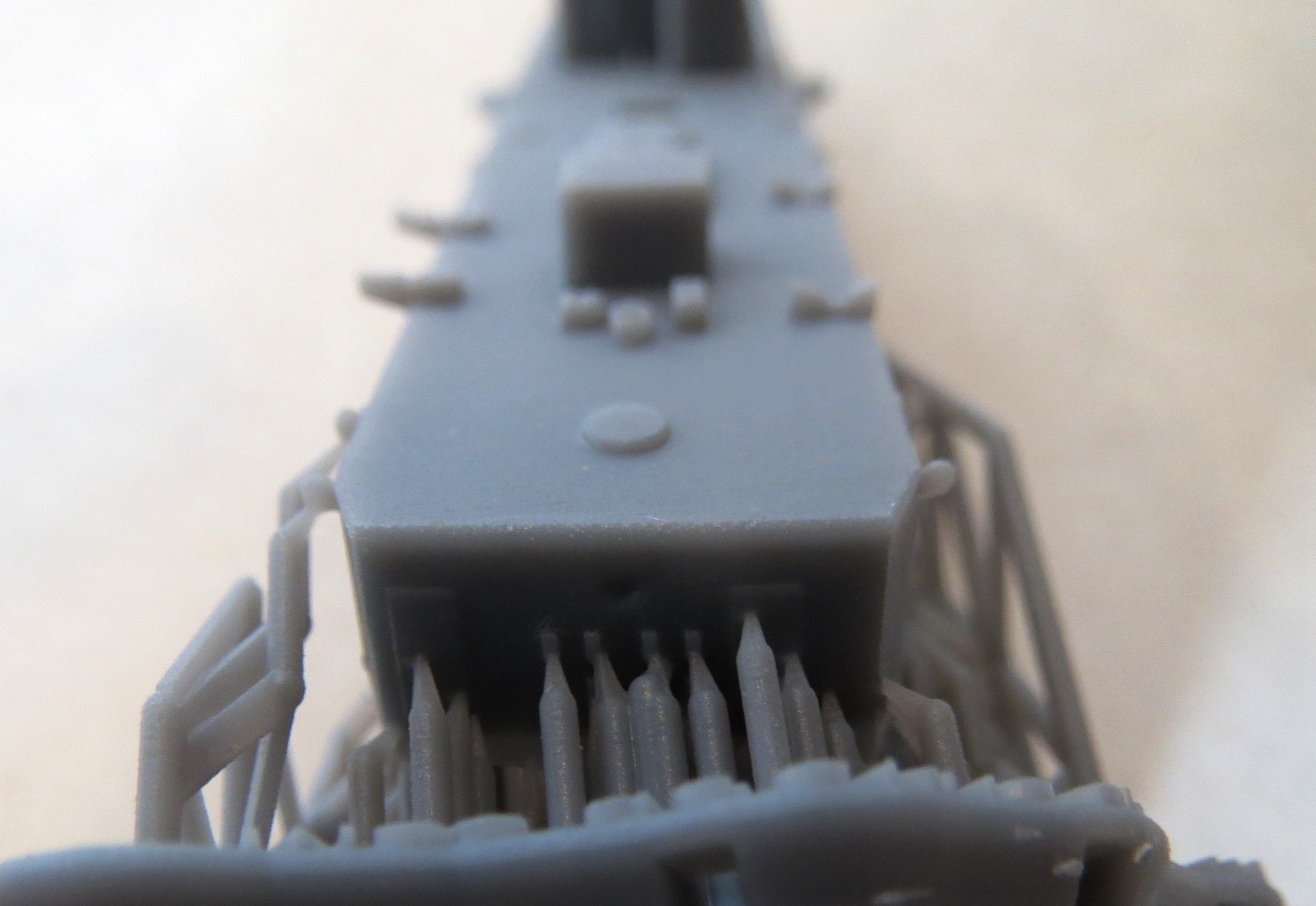
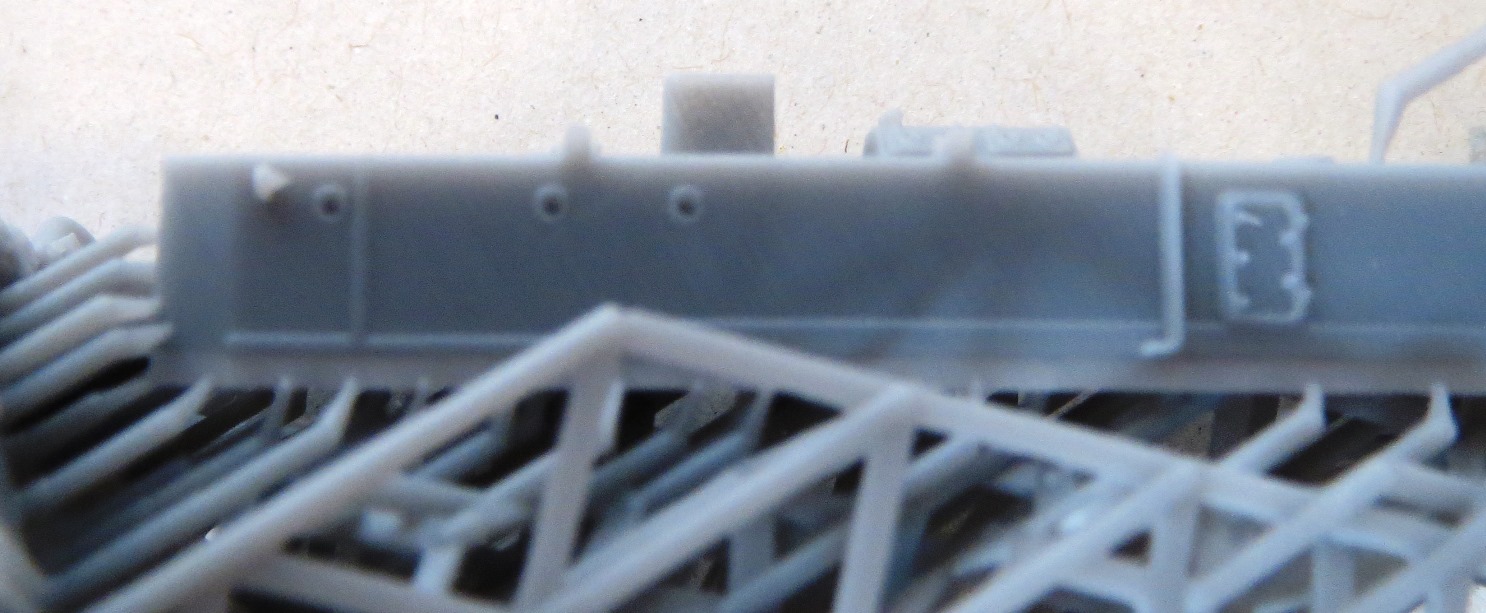
The one-piece full hull is very nicely done and sits on a print raft with a number of printing supports. The hull has a good amount of detail incorporated, such as mooring bits, fairleads, mushroom vents, deck hatches, breakwater and portholes. There is some very subtle hull plating present which is very well done. It doesn’t overpower the hull as found on some newer injection-molded plastic kits. The locations of other parts are denoted by slightly raised disks on the deck’ Underneath at the stern, there are shallow recesses to accommodate the propeller shaft parts. The hull measures of to just 6 inches long and slightly more than 1 inch wide, which is spot on in 1/350 scale |
||||||||||||||
 |
 |
 |
||||||||||||
 |
 |
 |
||||||||||||
 |
 |
 |
||||||||||||
 |
 |
|||||||||||||
| The Deckhouse | ||||||||||||||
|
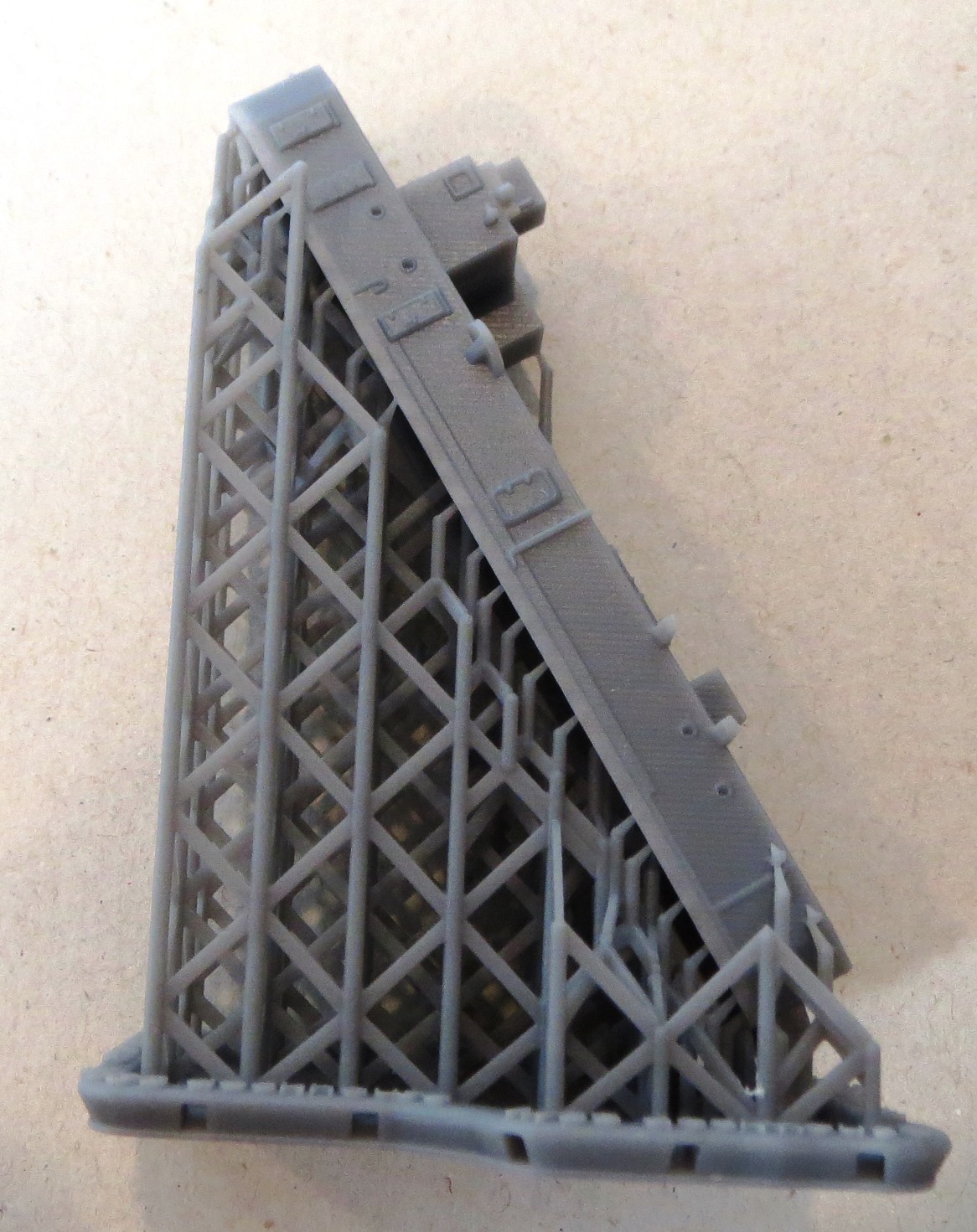
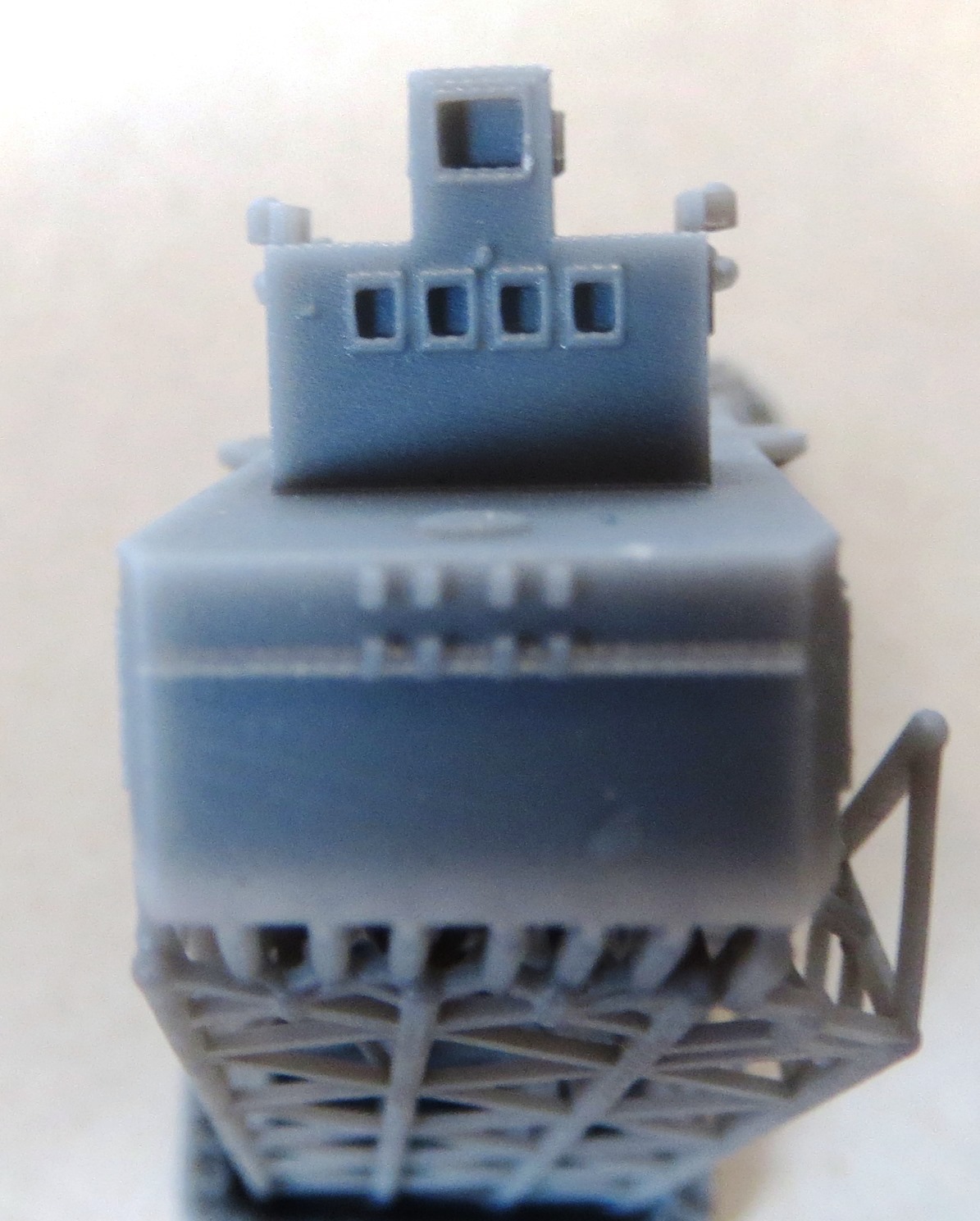
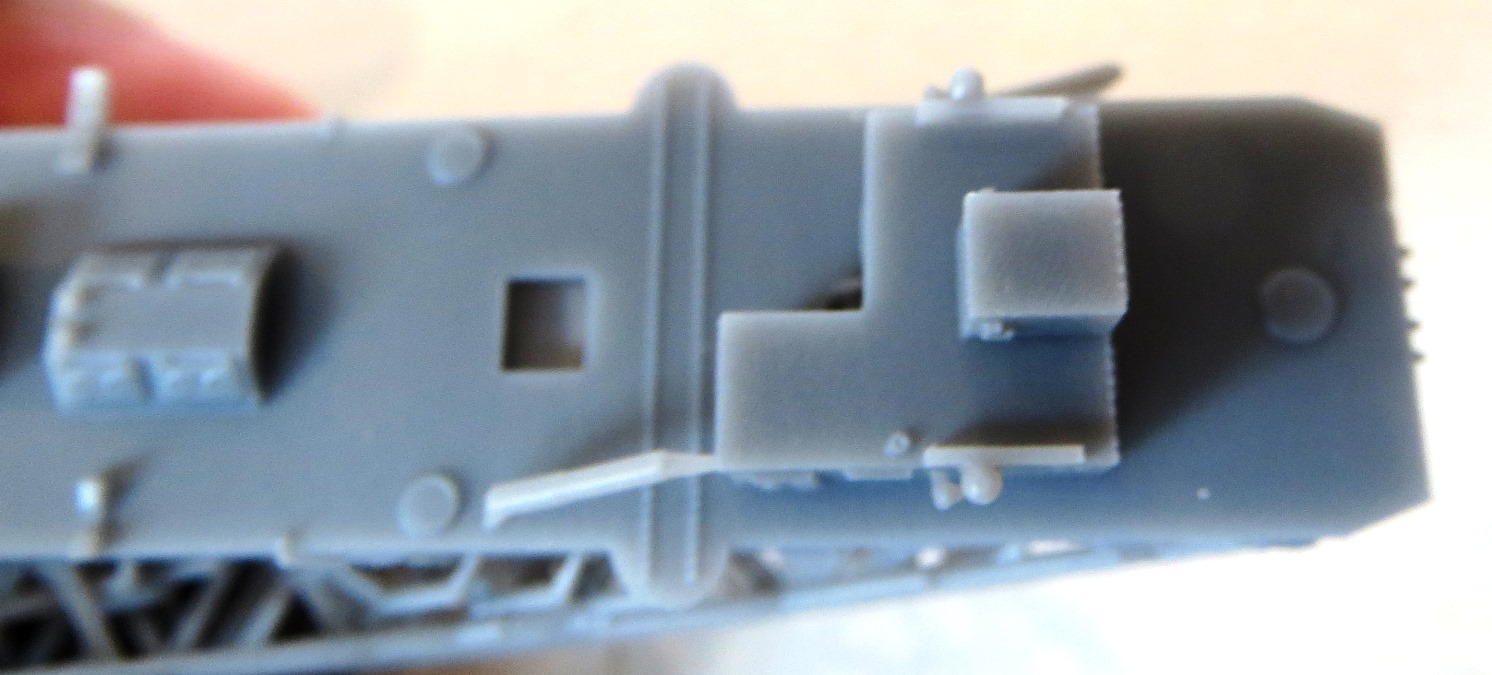
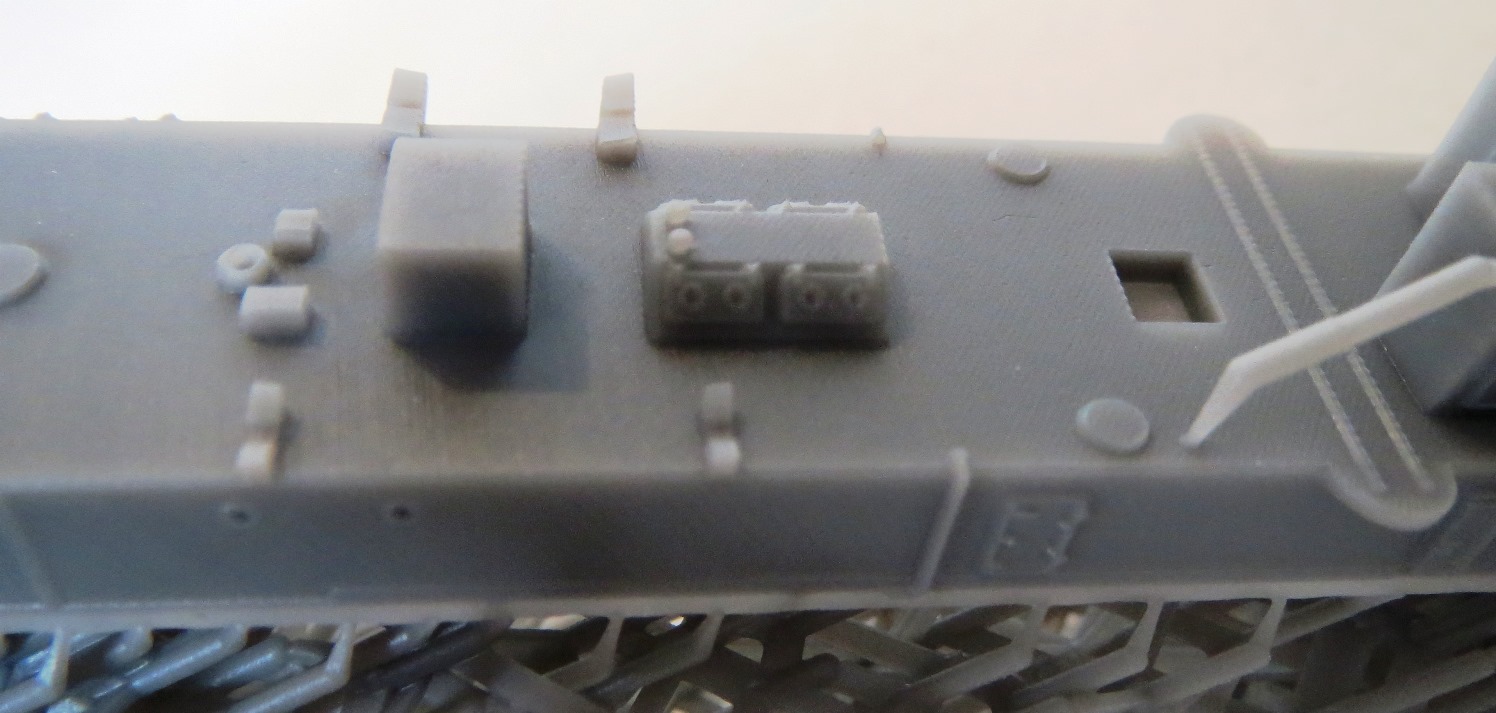
The deckhouse comes as one part with the wheelhouse incorporated. The part sits on a raft with a framework of print supports that will require careful removal. Along the bottom edge of the deckhouse there is a thin film of material that will also need to be removed for the part to sit correctly and flush with the main deck’ The deckhouse is well detailed, with several doors, portholes and j-vents along the walls and skylights and a small housing on the upper deck. The wheelhouse has windows, doors and running lights. There is a square opening to fit the funnel, small holes to fit the masts and slightly raised disks to mark the locations of smaller parts’ |
||||||||||||||
 |
 |
 |
||||||||||||
 |
 |
 |
||||||||||||
 |
 |
 |
||||||||||||
 |
 |
 |
||||||||||||
| 3D Printed Parts Raft A | ||||||||||||||
|
Raft A contains the funnel, 6-inch gun shields, cowl vents, boats, boat davits, an exhaust vent pipe and a covering for the top of the wheelhouse. |
||||||||||||||
|
||||||||||||||
| 3D Printed Parts Raft B | ||||||||||||||
|
Raft B contains the largest number of small parts. These include the 6pdf Hotchkiss gun, propeller/propeller shaft assembly, rudder, a pair of watertight doors, large deck hatches/coamings, life rings, anchors, anchor winch, davits in two sizes, crow’s nest, inclined ladders, searchlight, binnacle and ship’s bell. Some of the parts have one or more spares in case of damage or loss, |
||||||||||||||
|
||||||||||||||
| 3D Printed Parts Raft C | ||||||||||||||
|
Raft C contains the 6-inch gun mounts and a pair of the twin 0.0303-inch Maxim guns. Only one is needed for the 1915 fit, so the other is a spare just in case. |
||||||||||||||
|
||||||||||||||
| 3D Printed Parts Raft D | ||||||||||||||
|
Raft D contains spare mooring bits, fairleads and mushroom vents in case some were broken off during shipping or fall victim to the dreaded fat finger syndrome (I have suffered from it on many occasions). I find the inclusion of these parts a very nice and well thought out gesture by Mike McCabe, recognizing the potential for the breakage of these small delicate parts. If not needed, these will make a good addition to the spares box. |
||||||||||||||
|
||||||||||||||
| 3D Printed Parts Raft E | ||||||||||||||
|
Though not specifically labeled as Raft E, this small extra raft contains four of the larger inclined ladders, presumably just in case the ones on Raft B are somehow damaged while removing them. Again, this is nice bonus. |
||||||||||||||
|
||||||||||||||
| PHOTO-ETCH | ||||||||||||||
|
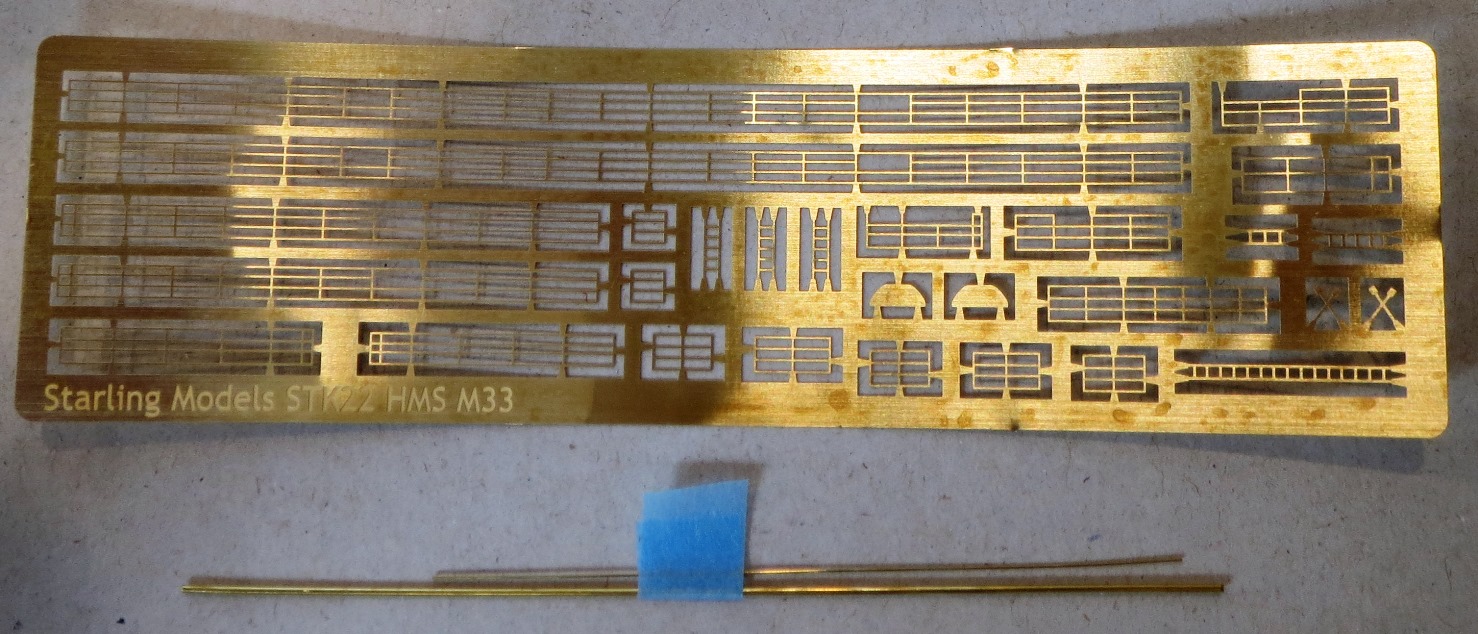
The photoetch fret provided with the kit includes all of the needed railings in premeasured lengths, along with vertical ladders and a few detail parts. The photoetch does not include any anchor chain, so you will need to get it from another source. The photoetch is thin and nicely done. Two lengths of brass rod, in different diameters, are also provided for the masts and yardarms. |
||||||||||||||
|
|
 |
 |
||||||||||||
| DECALS | ||||||||||||||
|
No decals are provided, though none are really needed. If you wish to add a White Ensign, there are plenty of sources for one, including a decal sheet produced by Starling Models. |
||||||||||||||
|
|
||||||||||||||
|
|
||||||||||||||
| INSTRUCTIONS | ||||||||||||||
|
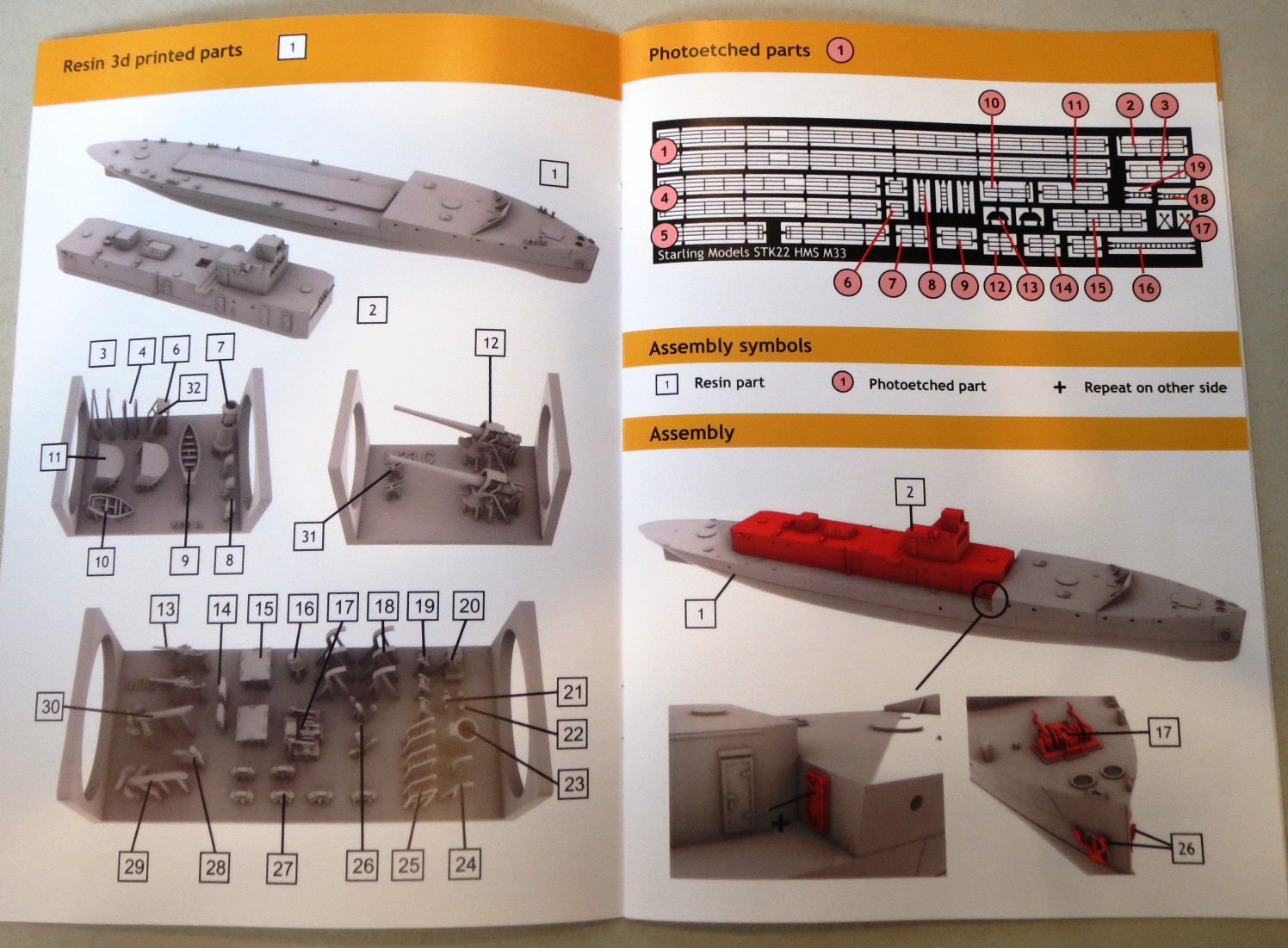
The instructions come in a full-color 8-page booklet. The cover page has a render of M33 in her dazzle camouflage scheme and some general instructions on handling 3D parts’ The next page and a half have images of the 3D parts with part numbers within boxes and the photoetch fret with part numbers within circles. Beginning with the bottom of page 2, a series of clear and well laid out assembly diagrams are presented. For the brass rod assemblies, lengths to cut the different sections are provided in millimeters. The back cover page provides painting instructions for her 1915 appearance and the dazzle camouflage M33 wears as a museum ship. One source I found on the Internet stated that she was painted in this scheme at the end of 1918. The color callouts appear to be standard Royal Navy paints and are probably tied to the Colourcoats line from Resolution Hobbies. |
||||||||||||||
|
||||||||||||||
| CONCLUSIONS | ||||||||||||||
| Quite frankly, I was
excited to see Starling Models produce this kit and to
continue their line of 1/350 scale kits, though in a
limited way. The M33 is very well done and up to the
standard I have come to expect from Mike McCabe’ It is a
fairly simple kit to assemble and should be a good model
for your first foray into 3D printed kits. Experienced
modelers will also enjoy this kit. You should also be
able to build any of the other small 6-inch monitors in
the class, though some research would be wise in case of
any differences. I hope that Mike will consider
producing a kit of the 9.2-inch gun small monitors,
which were the same size as M33 and her sisters. I am
just putting it out there!
This kit is available directly from Starling Models, which is where I purchased mine. |
|
|||||||||||||