|
Reviewed
May 2026 |
|
| HISTORY | |
| The Flower-class corvette (also
referred to as the Gladiolus class after the
lead ship) was a British class of 294 corvettes used
during World War II, specifically with the Allied navies
as anti-submarine convoy escorts during the Battle of
the Atlantic. Royal Navy ships of this class were named
after flowers, hence the name of the class. The majority served during World War II with the Royal Navy (RN) and Royal Canadian Navy (RCN). Several ships built largely in Canada were transferred from the RN to the United States Navy (USN) under the lend-lease programme, seeing service in both navies. Some corvettes transferred to the USN were manned by the US Coast Guard. The vessels serving with the US Navy were known as Temptress and Action-class patrol gunboats. Other Flower-class corvettes served with the Free French Naval Forces, the Royal Netherlands Navy, the Royal Norwegian Navy, the Royal Indian Navy, the Royal Hellenic Navy, the Royal New Zealand Navy, the Royal Yugoslav Navy, and, immediately post-war, the South African Navy. HMCS Sackville was one of
122 corvettes built in the Maritimes, Quebec, Ontario
and British Columbia shipyards that served in the
Royal Canadian Navy (RCN) during the war. Sackville
was commissioned Dec. 29, 1941 in Saint John, N.B. and
escorted convoys from St. John’s, Nfld. to
Londonderry, Northern Ireland. It was one of the
original members of the famous Barber Pole Group. For more on the Sackville, check out her page on the Canadian Memorial Trust page, here, or here Wikipedia page, here. This history was culled from both sources |
|
The Black Cat HMCS
Sackville |
|||||||||
|
|||||||||
| THE HULL | |||||||||
|
The entire kit is 3D printed. The hull is one piece on it's own print raft, and is beautifully done. On it you'll find finely printed bitts, vents, cutwater, arbors, skylights and more. |
|||||||||
|
|||||||||
| SUPERSTRUCTURE | |||||||||
|
The superstructure is one 3D printed part. Some bridge equipment, a finely done bridge windscreen, lantern radar, railings and nicely printed 20mm gun tubs - with stepped bottoms - are present. |
|||||||||
|
|||||||||
| SMALLER 3D PRINTED PARTS | |||||||||
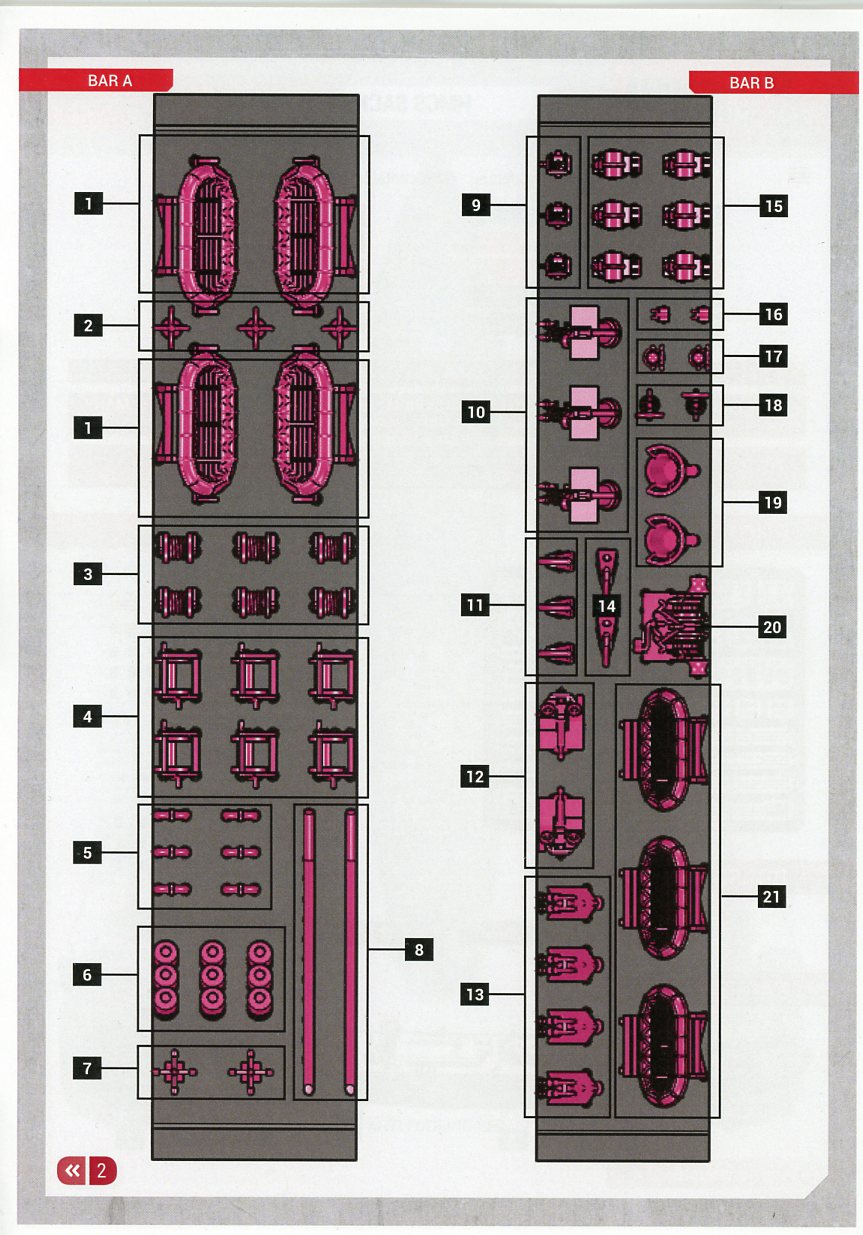
| The rest of the 3D printed parts are on five small print rafts. It appears, from looking at the instructions, that not all the parts will be used, so you'll end up with some parts for the spares bin. | |||||||||
| BAR A | |||||||||
| On this print raft we find rafts, with supports printed to them, life rings, R/D finder loops, and more. The "more" appears to be parts that will end up in the spares box. | |||||||||
|
|||||||||
| BAR B (X2) | |||||||||
| Here we have more rafts, again with support racks integral to them, 20mm guns, crows nests, depth throwers, winches, signal lamps, what appears to be a single QF 2-pounder naval gun, and mounted binoculars. The crows nests are particularly nice, with a finely printer rail around the top of them. | |||||||||
|
|||||||||
| BAR C | |||||||||
| The main battery - the gun and shield are printed separately - gun platform, funnel, ships boat and more are found here. | |||||||||
|
|||||||||
| BONUS BAR | |||||||||
| This bar is not listed in the instructions. When I reached out to Ben Druel, the proprietor of Black Cat Models, he said that "These parts are the 4in gun with the shield and blast bags. They come as extra parts and were added after I produced the instructions. After discussing with a customer, we found it could be interesting to add these elements with the kit. Indeed it's not indicated anywhere." So, bonus parts! | |||||||||
|
|||||||||
| BRASS ROD | |||||||||
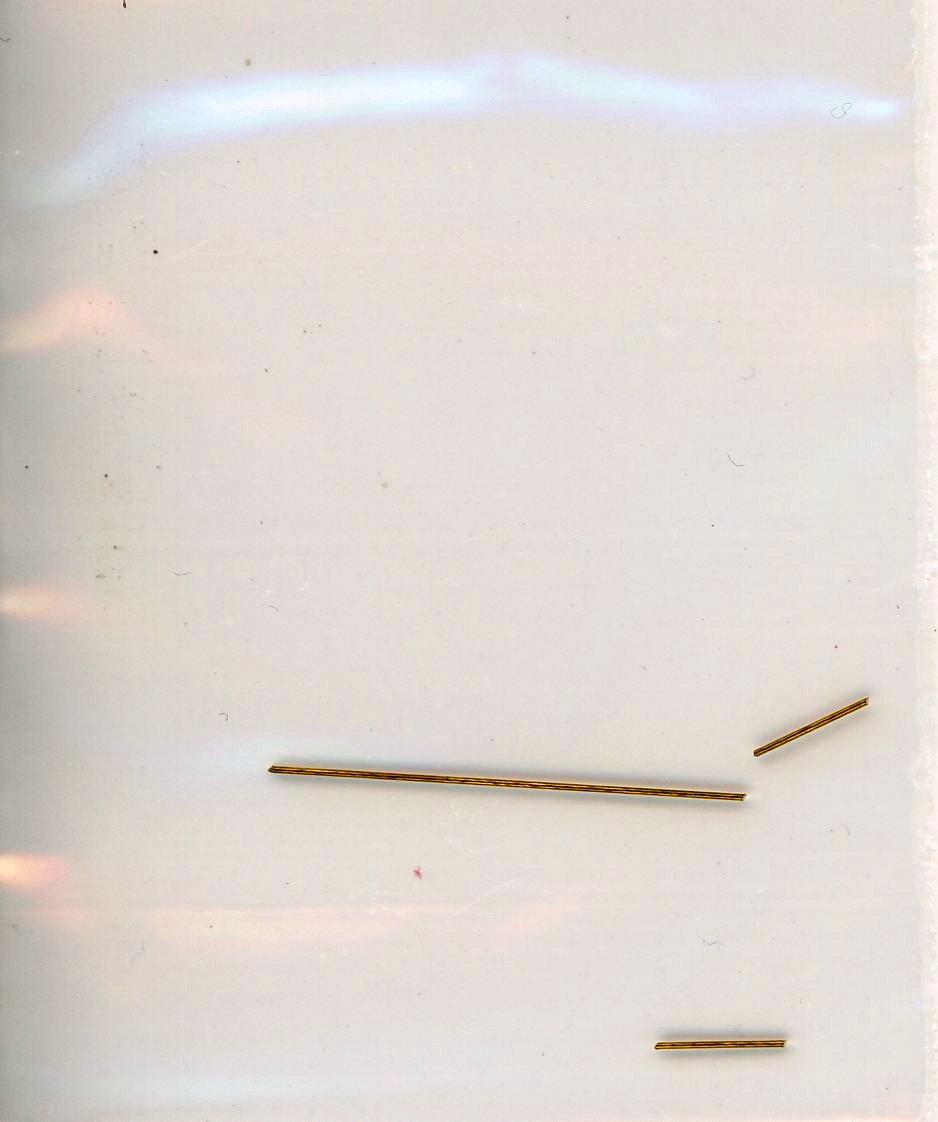
| A small bag of turned brass parts are included. Included is the mast, yard arm and flagstaff. | |||||||||
|
|||||||||
| PHOTOETCH | |||||||||
|
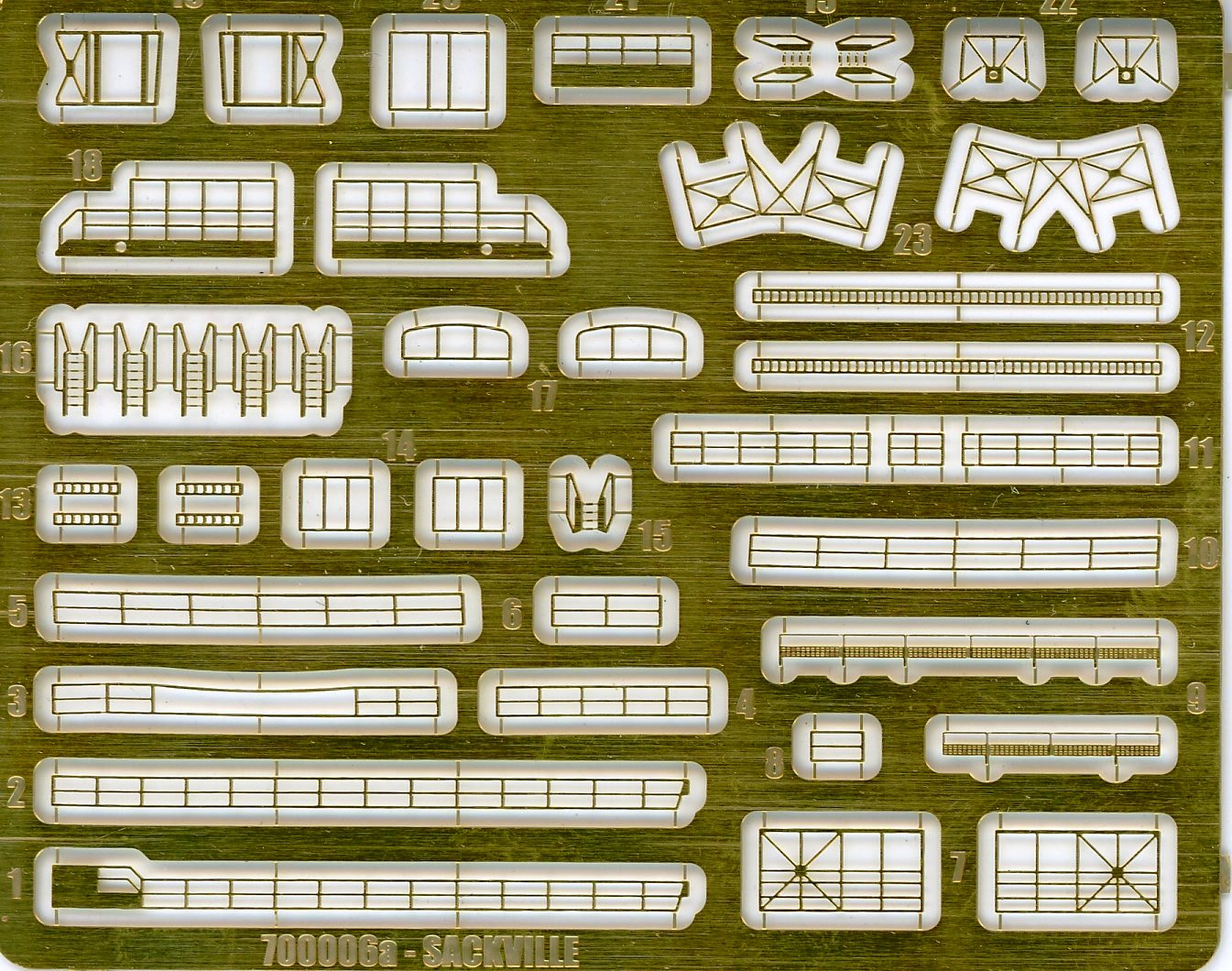
There is one small fret of PE included. Included are railings, vertical ladders, supports to hold the rafts and more. |
|||||||||
|
|||||||||
| DECALS | |||||||||
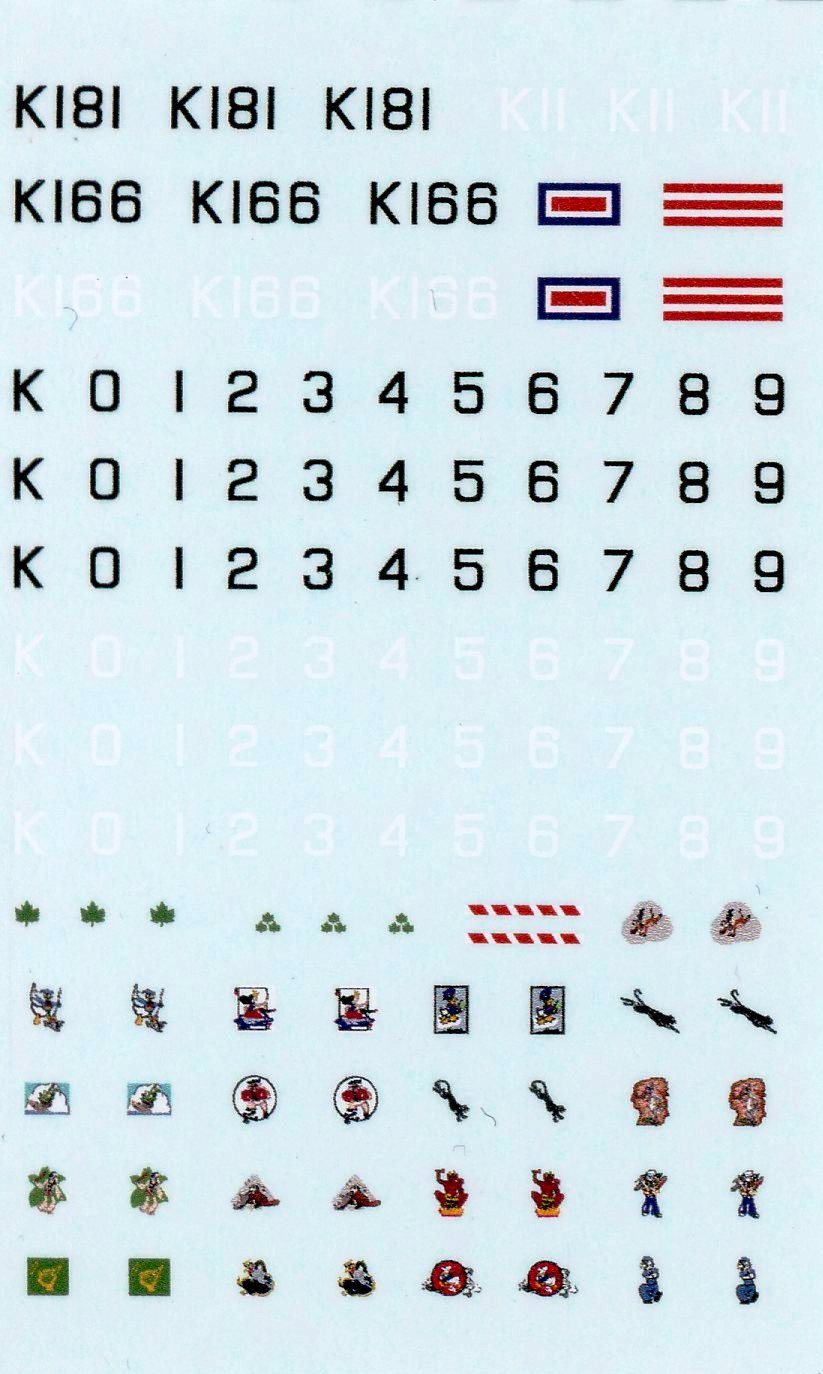
| There is one small decal sheet, consisting of small pennant numbers and funnel markings. | |||||||||
| INSTRUCTIONS | |||||||||
|
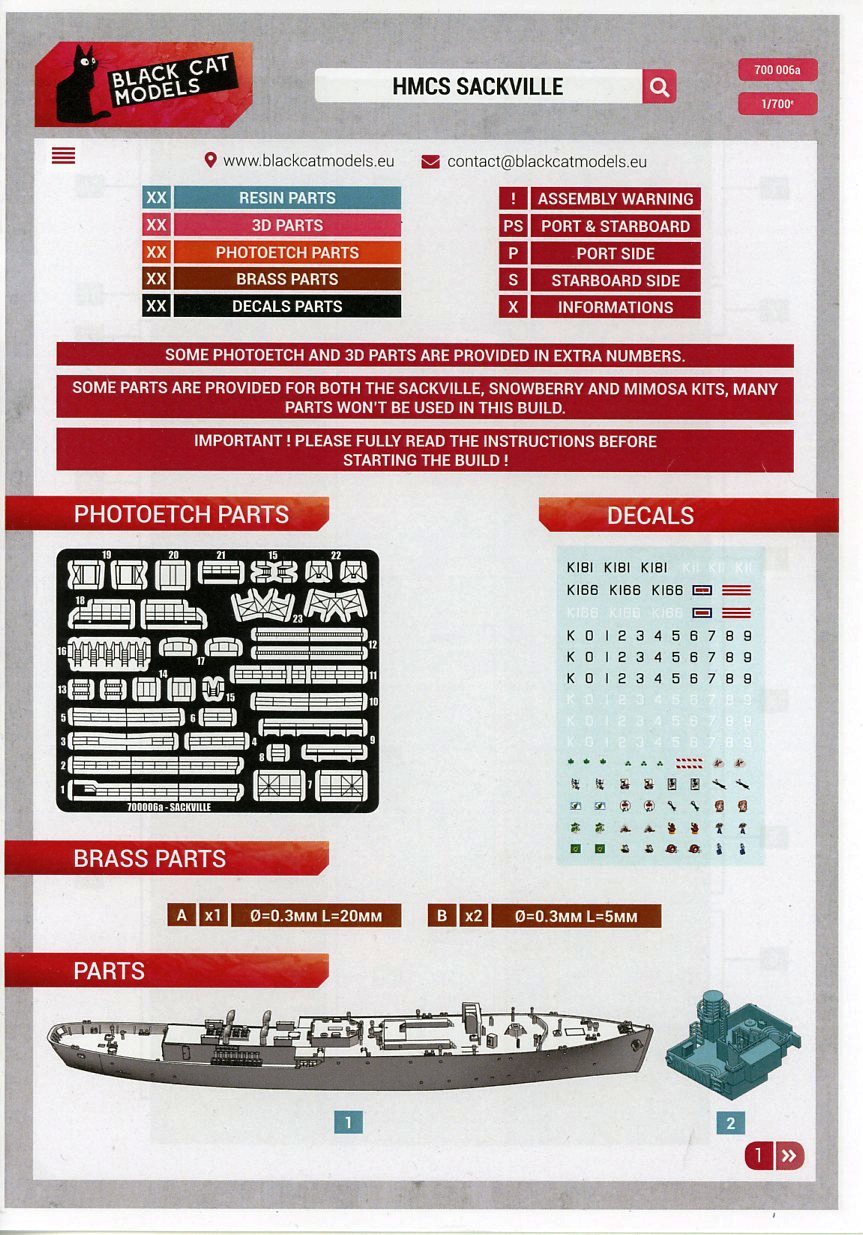
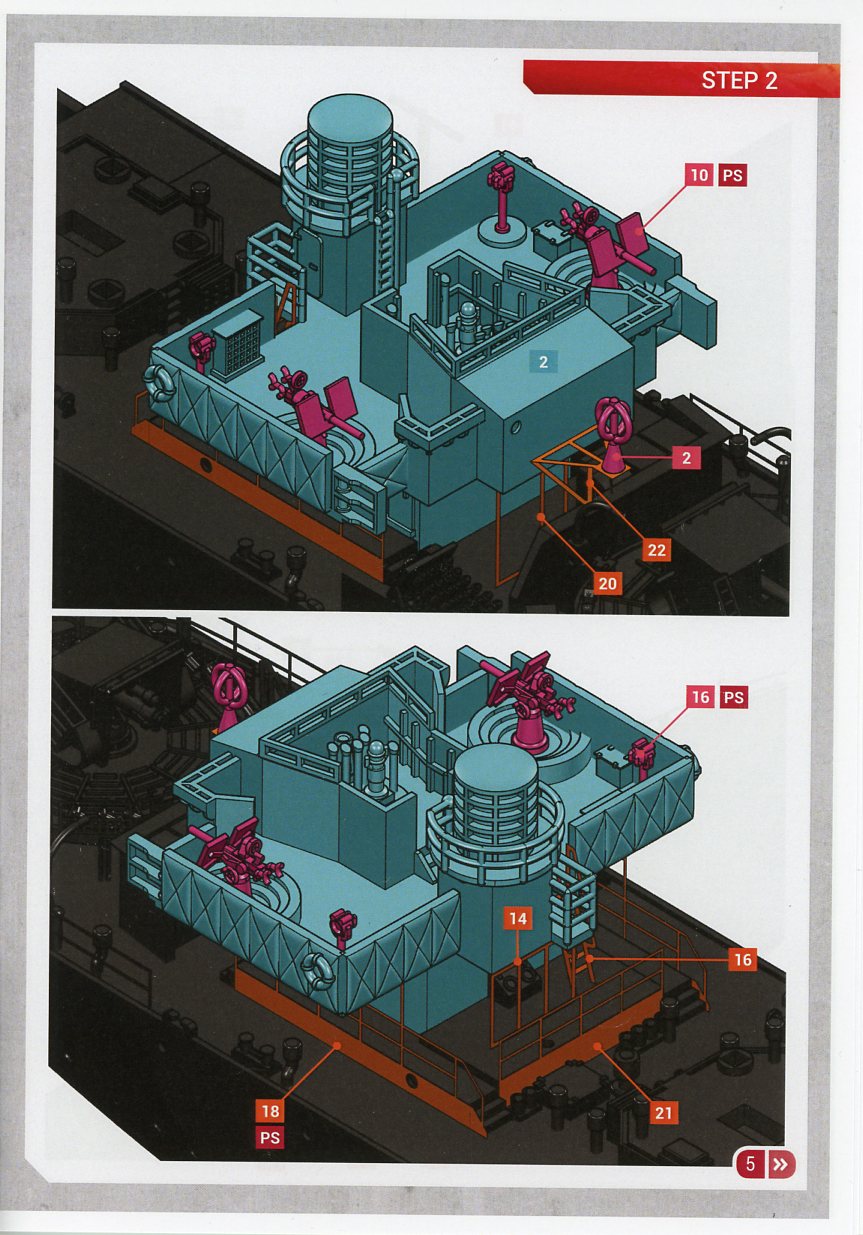
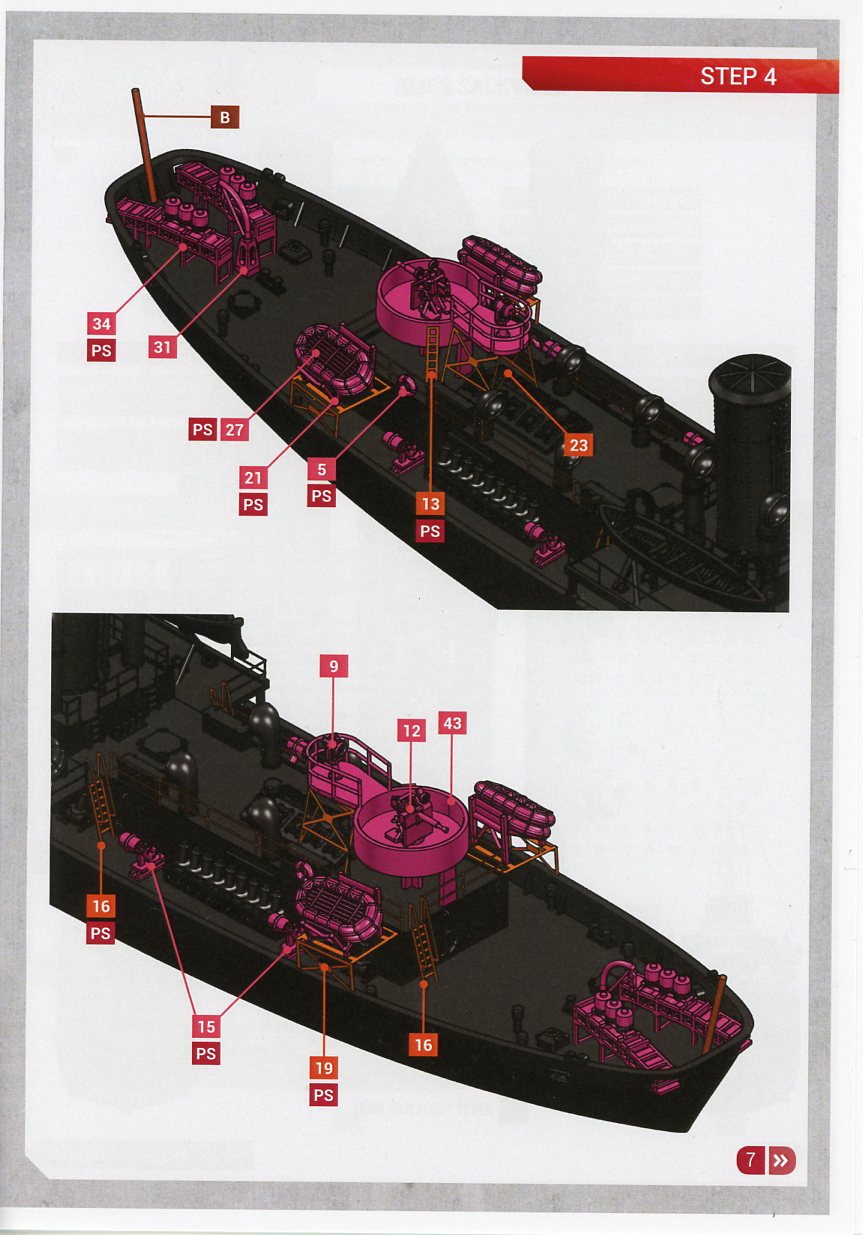
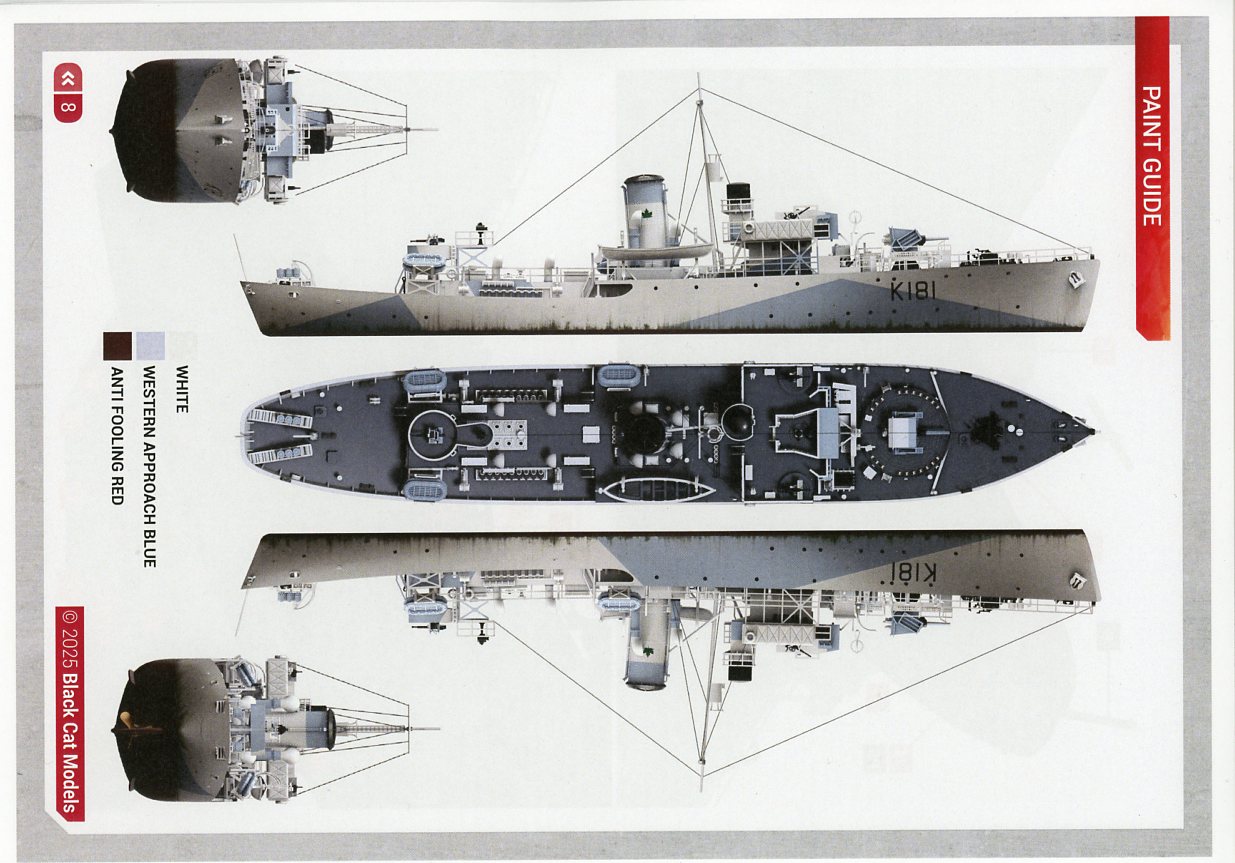
The instructions are in Black Cat's usual styles - a color booklet, with the parts all laid out, and shown in different colors, for ease of identification. The build sequences seem to be fairly logical and straightforward, and should be easy to follow. As mentioned in previous Black Cat reviews, other manufacturers should take a look at these directions and take note - this is how you do it! Included in the instructions are two views of the camouflage worn by Sackville. |
|||||||||
|
|||||||||
| CONCLUSIONS | |||||||||
| Flower-class kits in
1/700 have been pretty popular with modelers for many
years. There have been multiple resin kit, and there are
various 3D printed versions available as well.
Black Cat's 1/700 HMCS Sackville is as good, if not
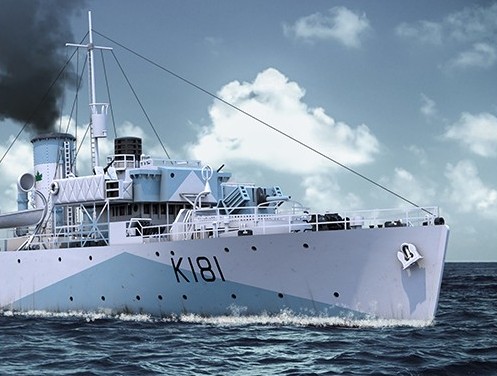
better, than any previous 700th scale Flower I've
seen.
Overall, this is a gorgeous
little kit. The printed detail on the hull and
superstructure are excellent, the smaller parts are
superbly done, and it comes with everything else you
need - brass rod, photo-etch and decals - right in the
box. Highly Recommended! |
|||||||||