1/700 Admiral Scheer
|
Reviewed June 2026 |
|
Reviewed June 2026 |
| HISTORY | |||||||||||||||||||||
|
The Deutschland class was a series of three Panzerschiffe (armored ships), a form of heavily armed cruiser, built by the Reichsmarine officially in accordance with restrictions imposed by the Treaty of Versailles. The ships of the class, Deutschland, Admiral Scheer, and Admiral Graf Spee, were all stated to displace 10,000 long tons in accordance with the Treaty, though they actually displaced 10,600 to 12,340 long tons at standard displacement. The design for the ships incorporated several radical innovations, including the first major use of welding in a warship and all-diesel propulsion. Due to their heavy armament of six 28 cm (11 in) guns and lighter weight, the British referred to the vessels as "pocket battleships". The Deutschland-class ships were initially classified as Panzerschiffe, but the Kriegsmarine (the renamed German navy) reclassified them as heavy cruisers in February 1940. Admiral
Scheer was ordered by the Reichsmarine from the
Reichsmarinewerft shipyard in Wilhelmshaven. The ship
was launched on 1 April 1933; at her launching, she
was christened by Marianne Besserer, the daughter of
Admiral Reinhard Scheer, the ship's namesake. She was
completed slightly over a year and a half later on 12
November 1934, the day she was commissioned into the
German fleet. The old pre-dreadnought battleship
Hessen was removed from service and her crew
transferred to the newly commissioned panzerschiff. For more on the Admiral Scheer, check out here Wikipedia page, where this history was culled from, here. |
|||||||||||||||||||||
|
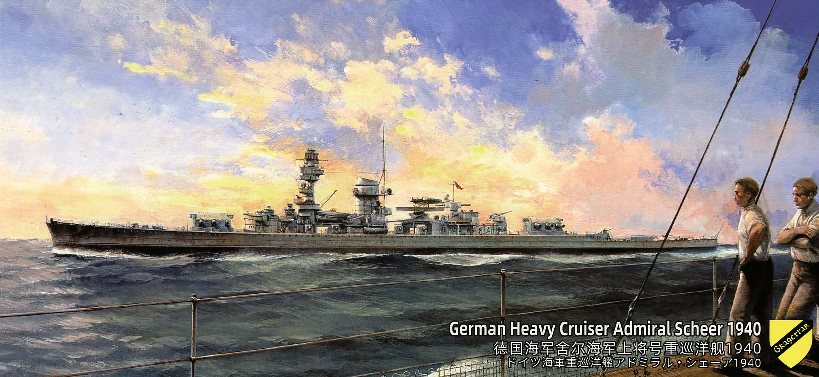
The Flyhawk Admiral Scheer This version of Flyhawk’s
1/700 SMS Admiral Scheer is the "deluxe"
version, which comes in a dark cardboard box with
artwork showing Admiral Scheer cruising at sea
from the vantage of an escorting ship. |
|||||||||||||||||||||
|
|||||||||||||||||||||
| SPRUES A, B, C, & D |
|
||||||||||||||||||||
|
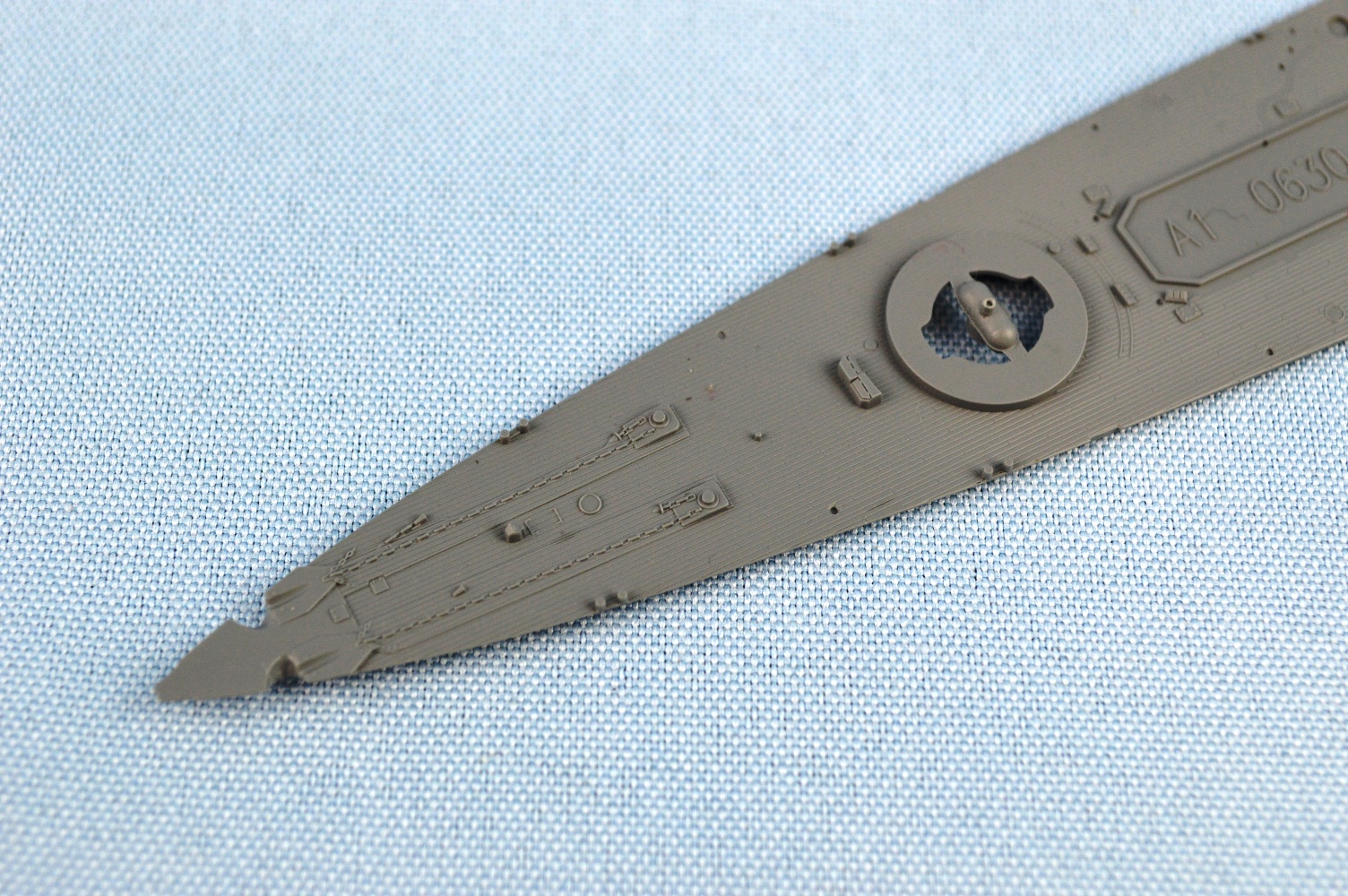
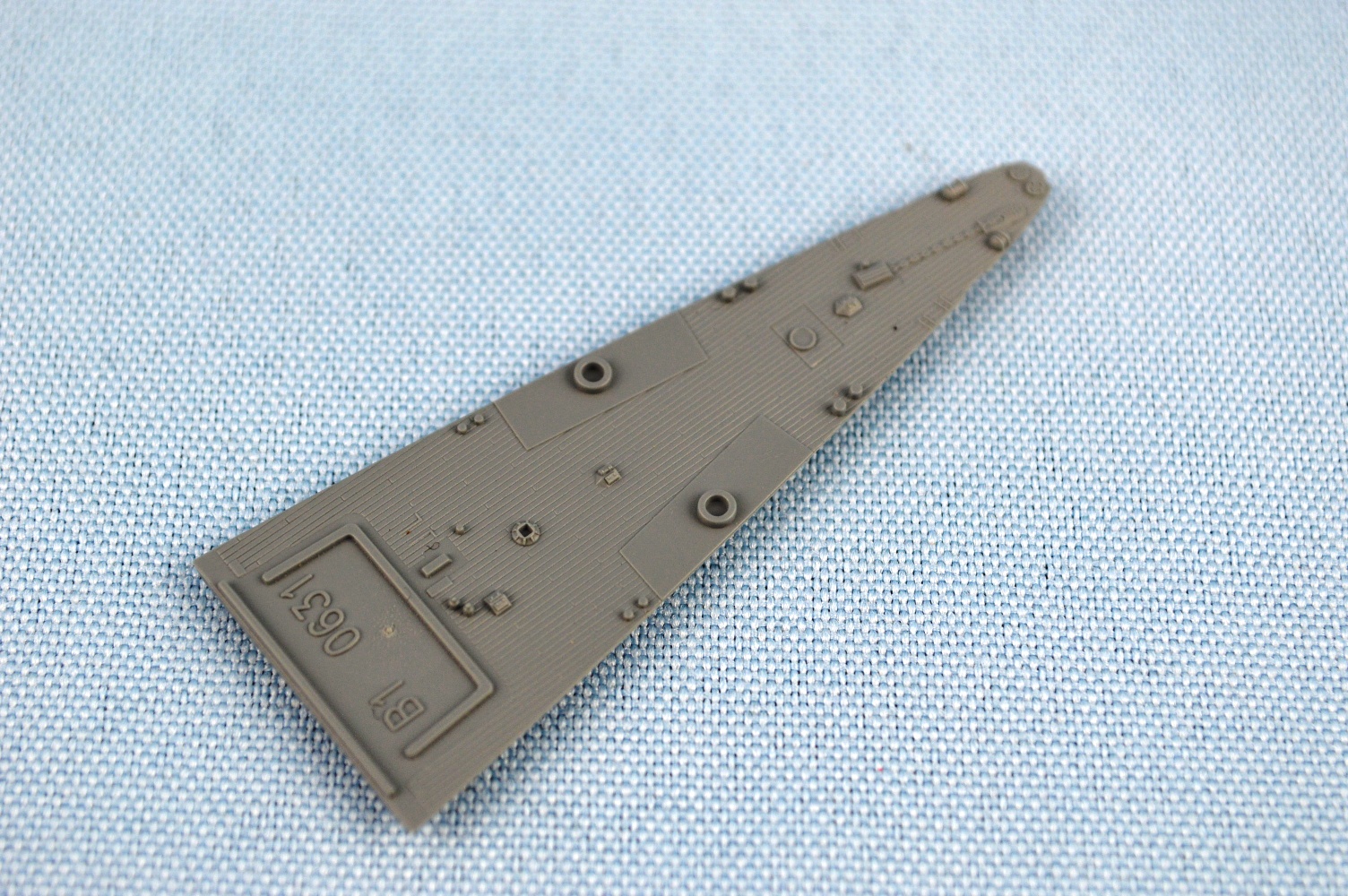
FlyHawk lists each component of the hull and decks as different sprues, A through D. Sprue A is the main deck, Sprue B the aft deck, Sprue C the upper hull, Sprue D the lower hull. SPRUE A - MAIN DECK SPRUE B - AFT DECK SPRUE C - UPPER
HULL SPRUE D - LOWER HULL |
|||||||||||||||||||||
|
|||||||||||||||||||||
|
SPRUE E |
|||||||||||||||||||||
|
This sprue has superstructure parts and an AA platform for the after superstructure. All the parts show FlyHawk's usual level of detail, with watertight doors, and non-slip treads on the AA platform. |
|||||||||||||||||||||
|
|||||||||||||||||||||
|
SPRUE F |
|||||||||||||||||||||
|
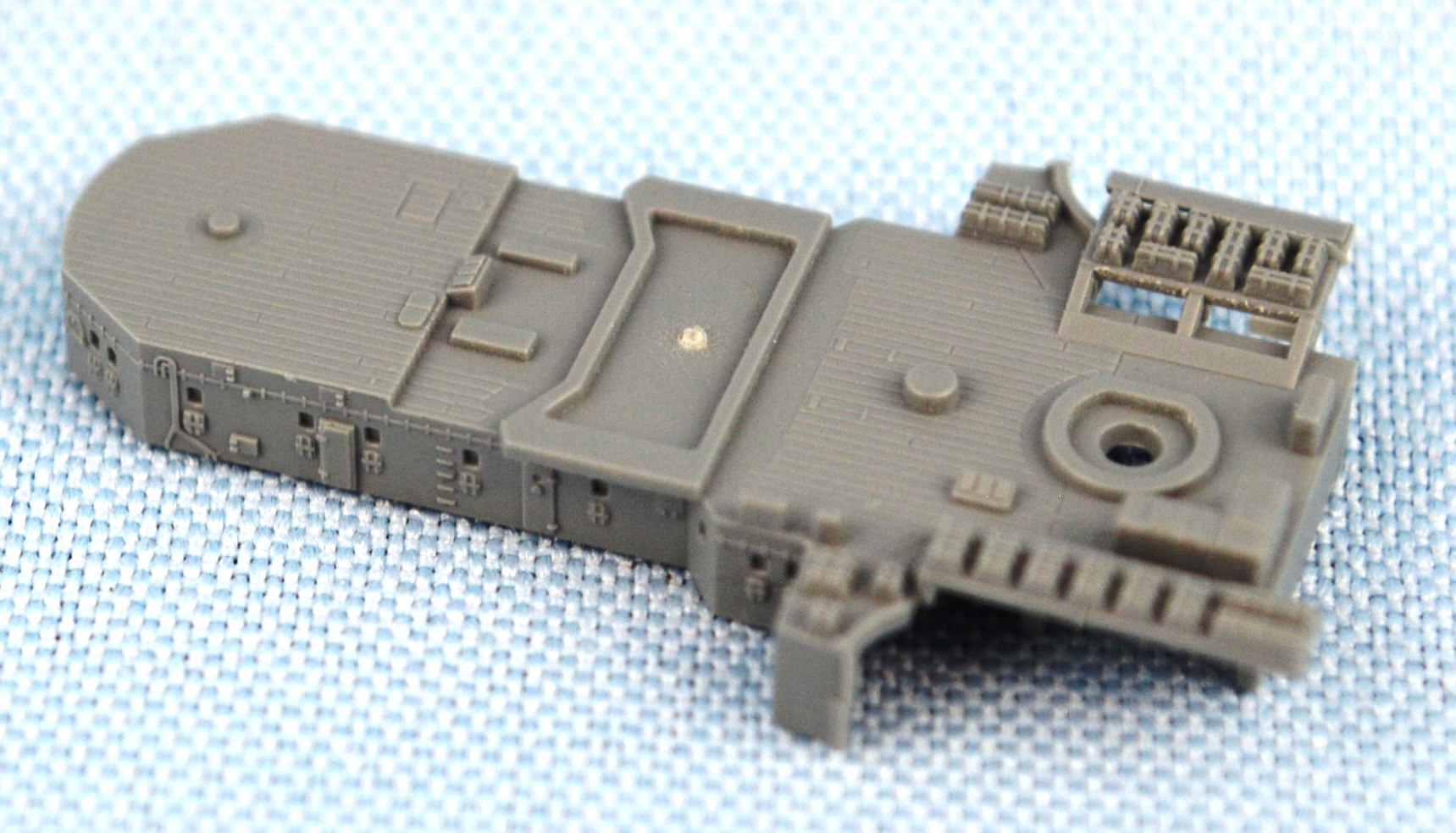
This is the forward 01 deck. Really nice detail - there are portholes with open scuttles, piping, vertical ladders, skylights and planking. |
|||||||||||||||||||||
|
|||||||||||||||||||||
|
SPRUE G |
|||||||||||||||||||||
|
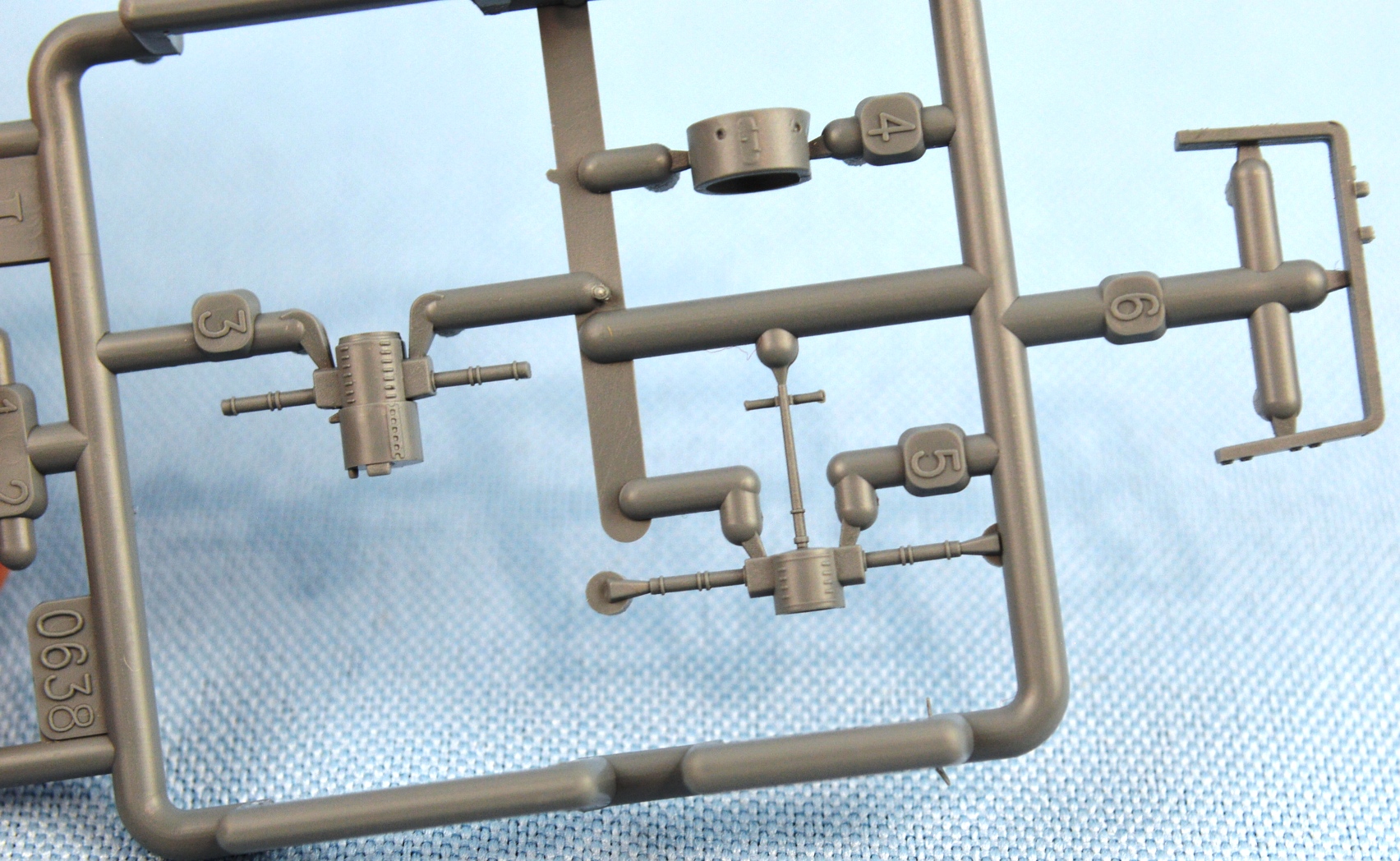
Flyhawk specializes in these really small one part sprues. This is one of them - it's the foundation for a director. |
|||||||||||||||||||||
|
|||||||||||||||||||||
| SPRUE H | |||||||||||||||||||||
|
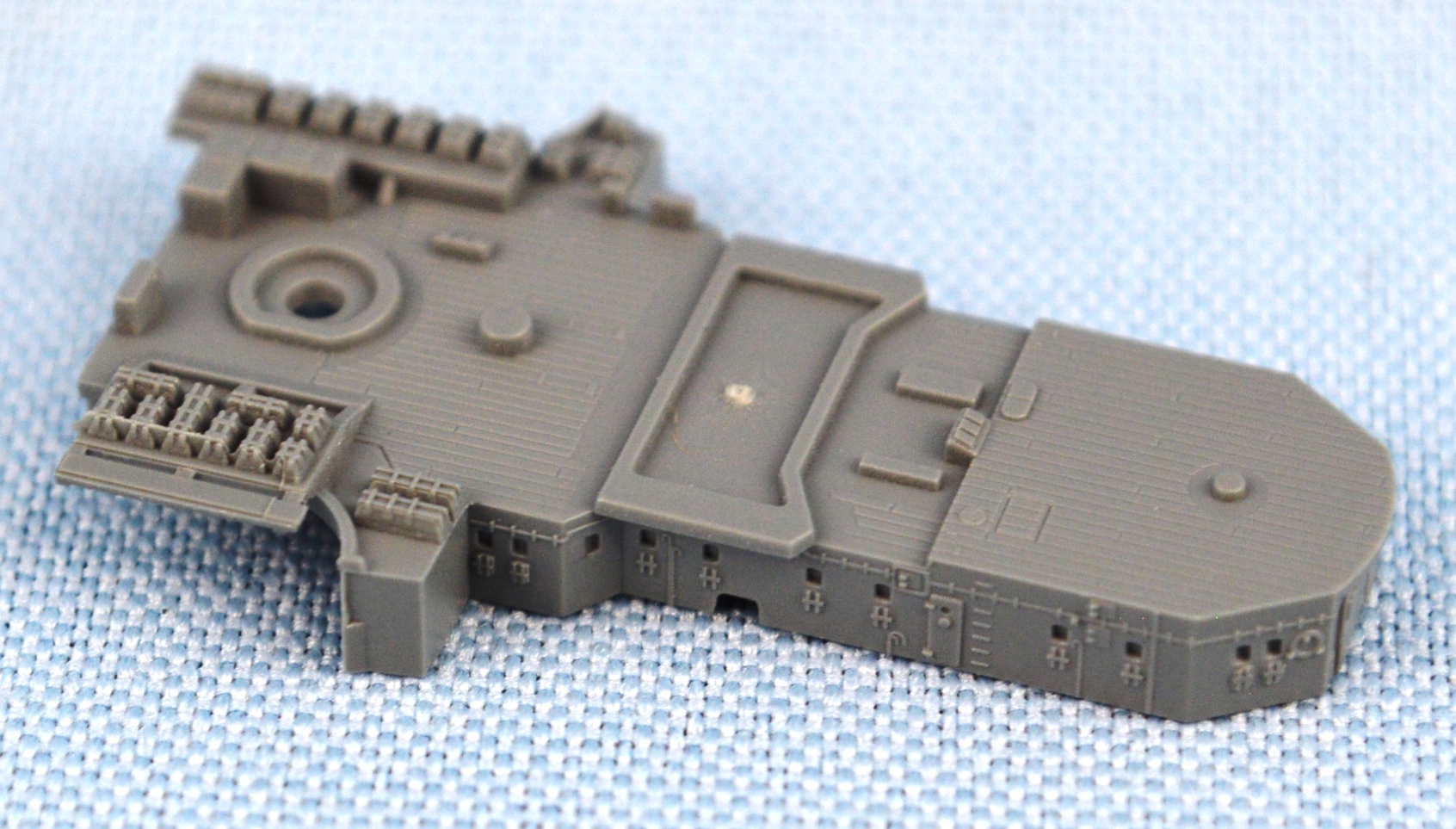
This is the 01 level of the aft superstructure. Same comments as above for sprue F. Also molded to this part are what I believe life rafts. |
|||||||||||||||||||||
|
|||||||||||||||||||||
| SPRUE I | |||||||||||||||||||||
| This small sprue contains the main battery directors and the bulkhead for aft deck. | |||||||||||||||||||||
|
|||||||||||||||||||||
| SPRUE K | |||||||||||||||||||||
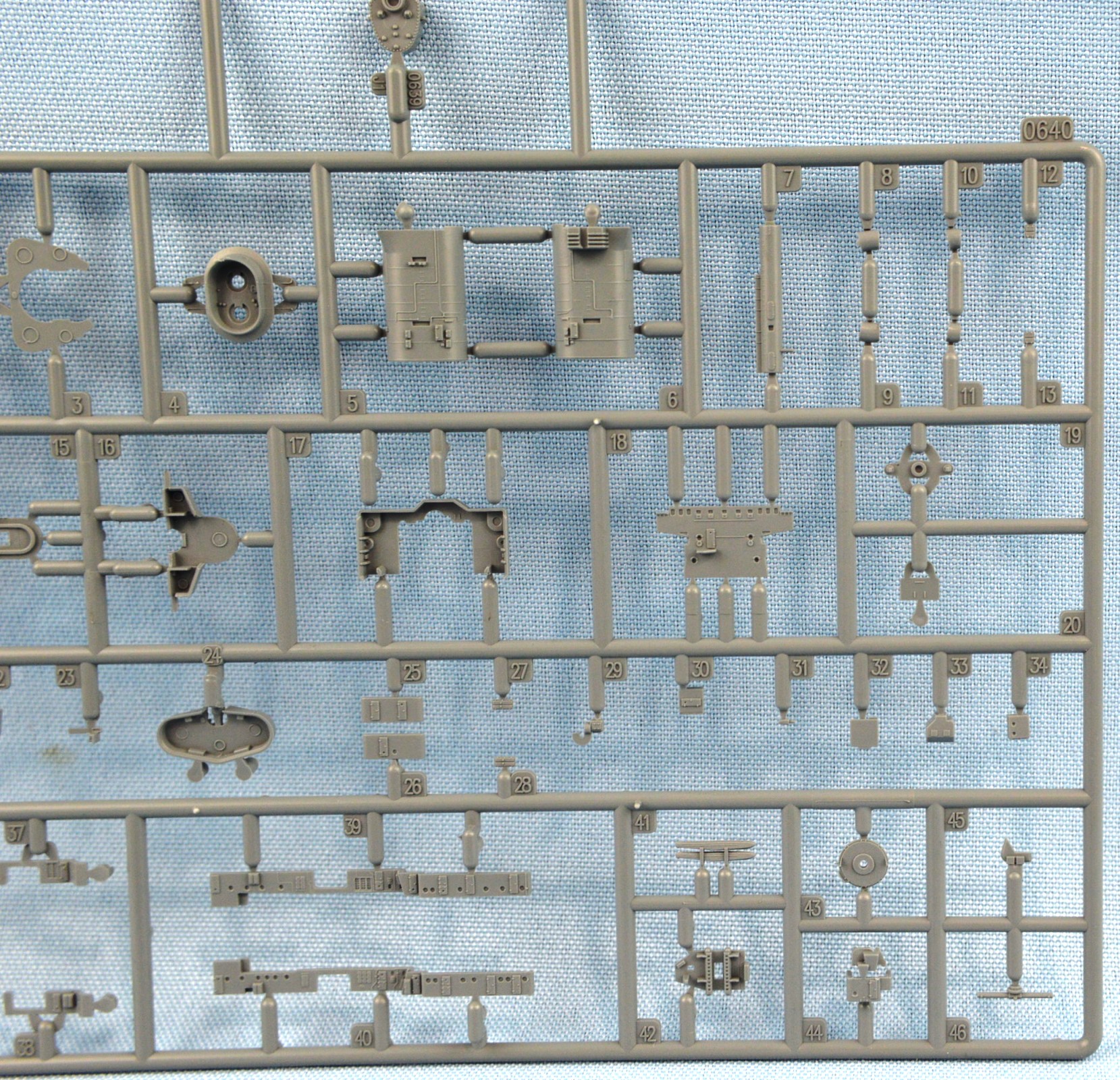
| This is the largest sprue in the kit. On it you'll find the two halve of the funnel, the funnel cap, the face of the forward superstructure, and other superstructure parts, like bulkheads and platforms. Good details all around. | |||||||||||||||||||||
|
|||||||||||||||||||||
| SPRUE L | |||||||||||||||||||||
|
The breakwater, crane boom, props, struts, shafts, a boat, mast, davits, anchors and more are included on this sprue. |
|||||||||||||||||||||
|
|||||||||||||||||||||
| SPRUE M (X2) | |||||||||||||||||||||
|
These small sprues contain the shields for the 10.5cm SK C/33 guns. There are two shields on each sprue. There is some raised rivet detail on the front of each part, which is probably a little over scale. |
|||||||||||||||||||||
|
|||||||||||||||||||||
| SPRUE N (X2) | |
||||||||||||||||||||
|
Here you'll find the tops of the 11" main battery turrets, the raison d'être for Scheer's existence. There are molded on ladders and rivet detail on the turrets. |
|||||||||||||||||||||
|
|||||||||||||||||||||
|
SPRUE O (X2) |
|||||||||||||||||||||
|
Here are the bottoms of the turrets, along with the 11" barrels, torpedo tubes, cable reels, 5.9 inch secondary gun barrels (with blast bags), and other small bits. |
|||||||||||||||||||||
|
|||||||||||||||||||||
| SPRUE P (X2) | |||||||||||||||||||||
| This sprue has the 5.9 inch gun shields, directors and director bases. | |||||||||||||||||||||
|
|||||||||||||||||||||
| SPRUE DE 02 | |||||||||||||||||||||
| This sprue has the ships motor launches on it. There are nice details here, like life rings molded to the tops of the pilothouse roofs and spray strakes on the hulls. | |||||||||||||||||||||
|
|||||||||||||||||||||
| SPRUE DE 04 | |||||||||||||||||||||
| This sprue Is the Arado 196 float plan. It comes with the option of folder or non-folded wings, and recessed panel lines. | |||||||||||||||||||||
|
|||||||||||||||||||||
| SPRUE DE 06 | |||||||||||||||||||||
| Here you'll find triple torpedo tubes, paravanes and more. | |||||||||||||||||||||
|
|||||||||||||||||||||
| SPRUE DE 07 | |||||||||||||||||||||
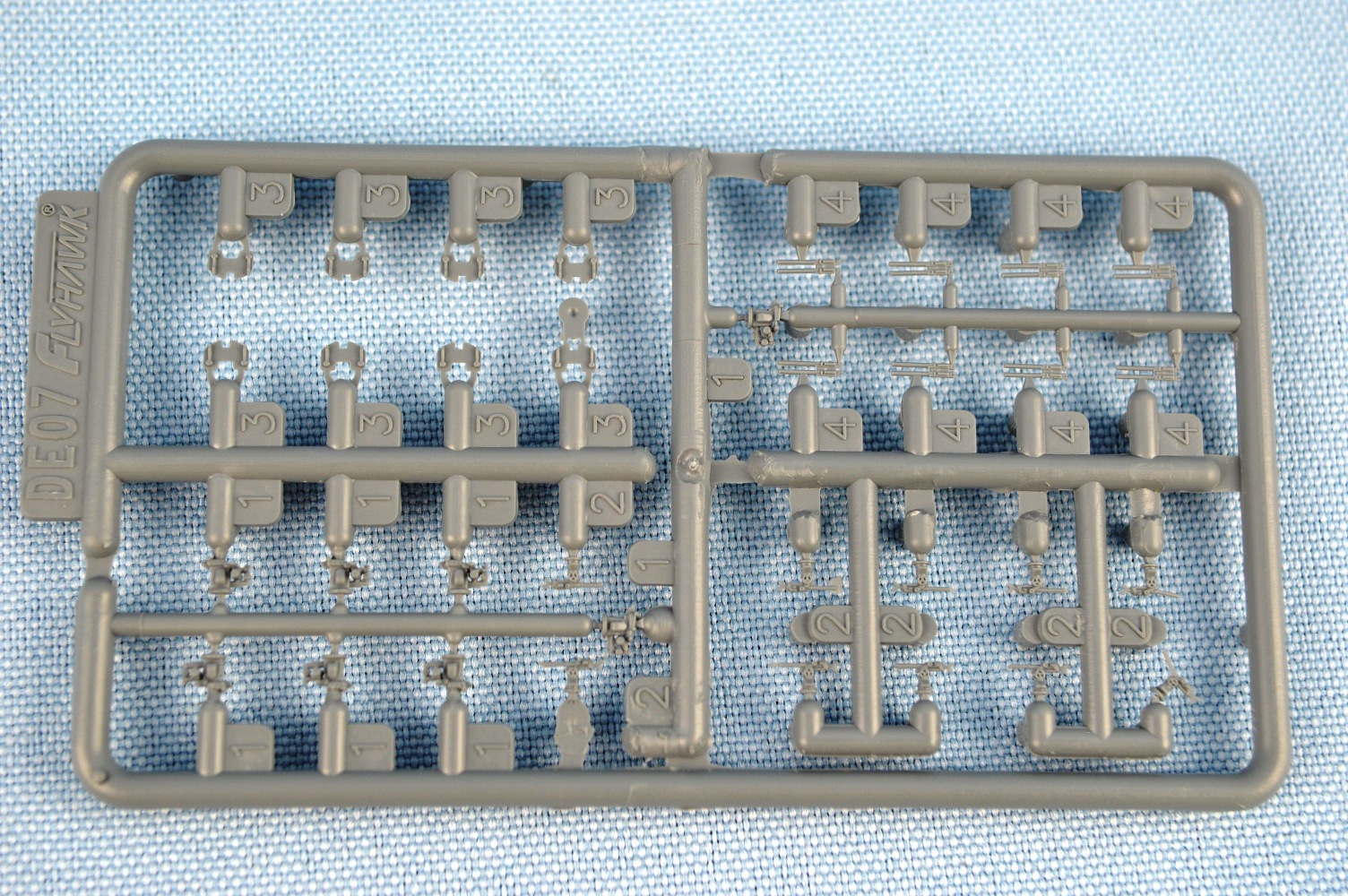
| This sprue has winches, along with both 20mm and 37mm guns. | |||||||||||||||||||||
|
|||||||||||||||||||||
| SPRUE DE 09 | |||||||||||||||||||||
| There are some smaller directors and bridge equipment on this sprue. | |||||||||||||||||||||
|
|||||||||||||||||||||
| SPRUE DE 11 | |||||||||||||||||||||
| This sprue has three cutters. The interior detail is very sharply done. | |||||||||||||||||||||
|
|||||||||||||||||||||
| SPRUE DE 14 | |||||||||||||||||||||
| This sprue has flakvierlings on it, among other parts. | |||||||||||||||||||||
|
|||||||||||||||||||||
| SPRUE DE 22 | |||||||||||||||||||||
| This sprue has an additional AA gun. It looks like another flakvierling. | |||||||||||||||||||||
|
|||||||||||||||||||||
| SPRUE DE 24 | |||||||||||||||||||||
| Here you'll find more parts for the heavy AA guns. | |||||||||||||||||||||
|
|||||||||||||||||||||
| DECALS | |||||||||||||||||||||
| A small decal set, with the Kriegsmarine ensign and markings for the aircraft, is included. | |||||||||||||||||||||
|
|||||||||||||||||||||
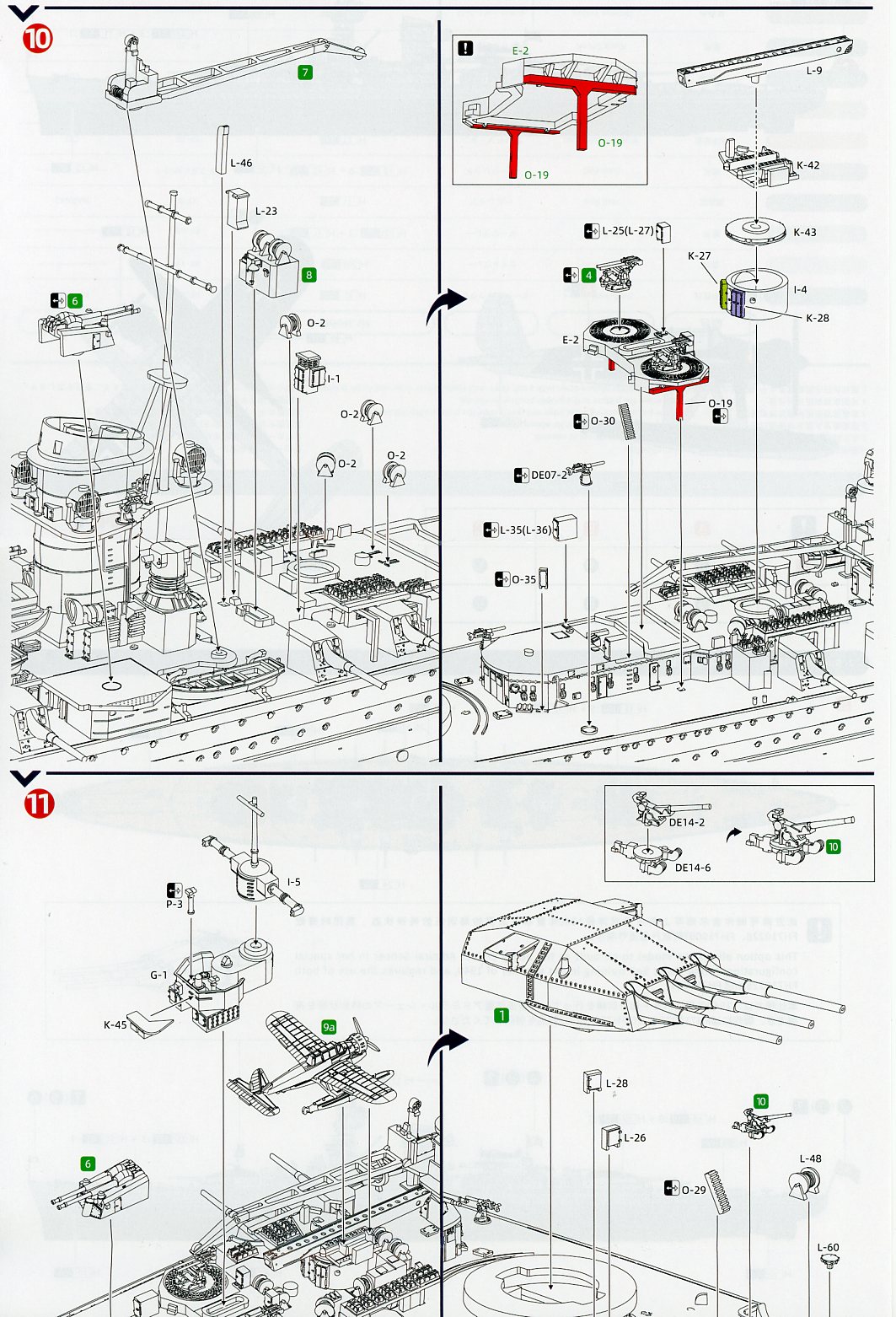
| INSTRUCTIONS | |||||||||||||||||||||
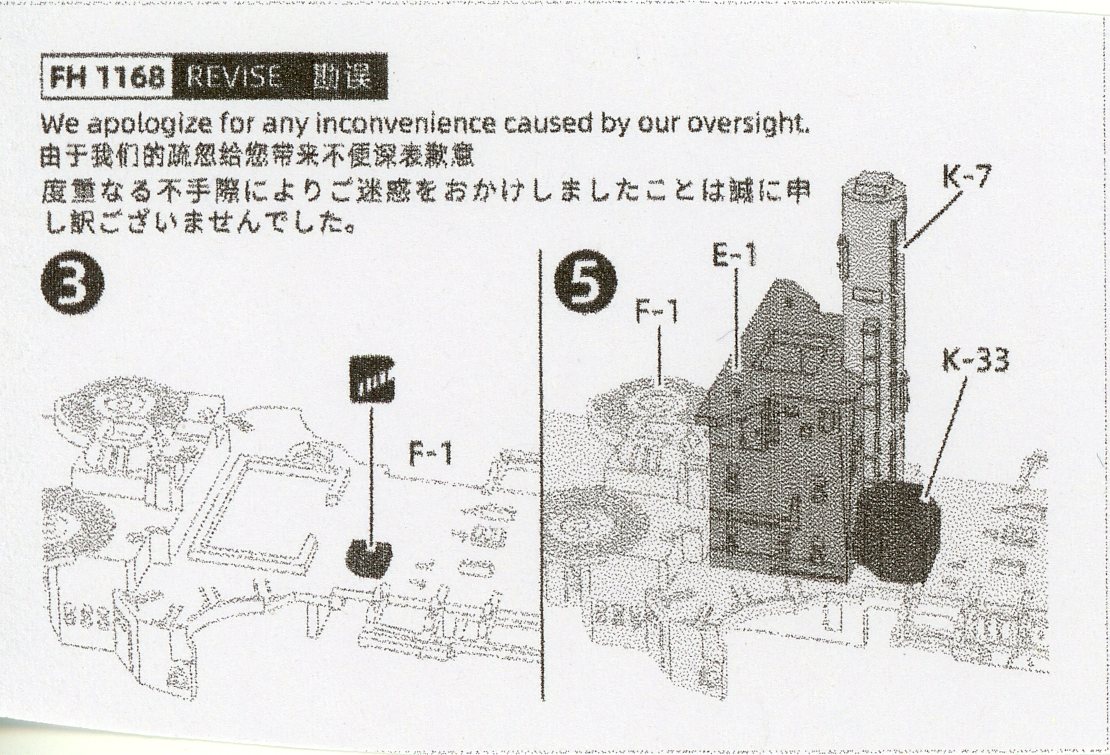
| The instructions are in typical Flyhawk fashion, printed in color, on both sides of two pieces of oversized glossy paper. Included are the parts manifest, exploded view drawings, and color profiles of the Admiral Scheer in her war paint - one in the summer of 1940, the other autumn of the same year. There is also a small revision sheet to call out an error in the assembly of the forward superstructure. | |||||||||||||||||||||
|
|||||||||||||||||||||
| DELUXE EDITION PARTS | |||||||||||||||||||||
| A small plastic box is included in this limited edition, with 3D printed parts. Along with the small plastic envelopes containing the brass is a 3D print raft, with parts printed in black. On that raft are a replacement funnel cap, 5.9 inch gun shields and director bases. | |||||||||||||||||||||
|
|||||||||||||||||||||
| PHOTO ETCH | |||||||||||||||||||||
| There are three photo-etch frets included in the deluxe version. You'll find railings, vertical and inclined ladders, yard arms, funnel rails, braces, cable reels, flag/jack staffs, boat cradles, crane rigging, a catapult, and more. It's all up to the usual Flyhawk standards. Some parts are incredibly (impossibly?) small. Make sure to make an offering to the carpet monster before removing parts from the fret. | |||||||||||||||||||||
|
|||||||||||||||||||||
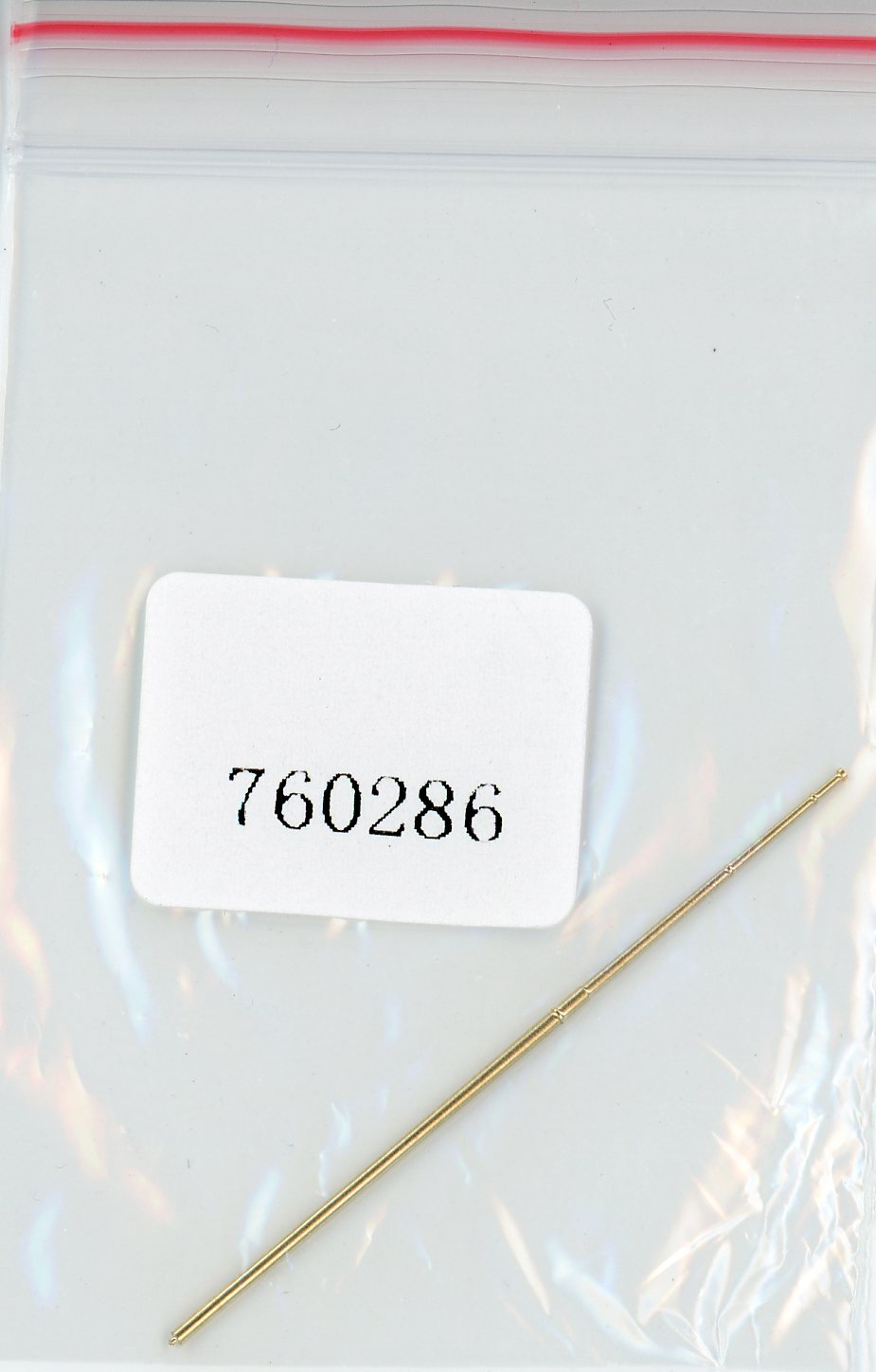
| TURNED BLASS PARTS/BRASS ROD | |||||||||||||||||||||
| Nine bags of brass rod and turned brass parts are included. Along with brass rod, there are replacement barrels for the main and secondary guns, masts for the directors, along with a replacement main mast and tripod legs. | |||||||||||||||||||||
|
|||||||||||||||||||||
| DELUXE EDITION INSTRUCTIONS | |||||||||||||||||||||
|
The instructions are in typical Flyhawk deluxe edition fashion, printed in color, on both sides of oversized glossy paper. This sheet has the deluxe parts manifest, exploded view drawings, and color photos of parts placement, which is very handy. |
|||||||||||||||||||||
|
|||||||||||||||||||||
| CONCLUSIONS | |||||||||||||||||||||
| The only previous
1/700 injection molded kit of Admiral Scheer was
Fujimi's re-pop of their Graf Spee, which originally
dates back to 1977. As far as I can tell, that kit
represented the Scheer pre-1940, without the changes she
underwent later. We were long overdue for a newly tooled
Panzerschiffe - that wasn't a Graf Spee - and this
Flyhawk kit was worth the wait. Not only does it
appear (as far as I can tell, after consulting Hoop
& Schmolke's Deutschland-class book) to have
captured the changes, like the longer bow & the
revised forward superstructure of Admiral Scheer nicely,
but, as to be expected with a Flyhawk kit, it is crisply
molded, with plentiful, and sharp, details.
I like the way Flyhawk designed the upper hull, turning three parts (two sides & a WL plate) into one part, that is keyed to fit the lower hull, for those heretics who build their 1/700 models full hull. The deluxe edition has lots of extra goodies - turned brass, photo-etch and 3D printed parts - that will dress up an already nice kit into a very fine build, especially in the hands of a talented modeler. Let's hope Flyhawk follows this up with a 1942 or later Lutzow. Highly Recommended. This is Flyhawk’s 1/700 KM Admiral
Scheer, kit number FH1168S. The kit is averaging
around $62.00 online, but can be found for less than
that, plus shipping (and perhaps tariff
charges). This review sample is courtesy of my
wallet - I picked mine up eBay. |
|
||||||||||||||||||||